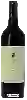
Château Moulin de PierrefitteSaint-Émilion Grand Cru
 Red wine


In the mouth this red wine is a powerful with a nice balance between acidity and tannins.
This wine generally goes well with poultry, beef or game (deer, venison).
Taste structure of the Saint-Émilion Grand Cru from the Château Moulin de Pierrefitte
Light | Bold | |
Smooth | Tannic | |
Dry | Sweet | |
Soft | Acidic |
In the mouth the Saint-Émilion Grand Cru of Château Moulin de Pierrefitte in the region of Bordeaux is a powerful with a nice balance between acidity and tannins.
Wine flavors and olphactive analysis

Food and wine pairings with Saint-Émilion Grand Cru
Pairings that work perfectly with Saint-Émilion Grand Cru



Original food and wine pairings with Saint-Émilion Grand Cru

The Saint-Émilion Grand Cru of Château Moulin de Pierrefitte matches generally quite well with dishes of beef, lamb or game (deer, venison) such as recipes of mexican beef tacos, moroccan tagine with lamb and cardoons or pizza of the south west : duck breast, roquefort.
Details and technical informations about Château Moulin de Pierrefitte's Saint-Émilion Grand Cru.
Discover the grape variety: Muscat d'Alexandrie
Muscat of Alexandria is known under several dozen other names. From Zibibbu di Sicilia to Roman Muscat to Acherfield's early Muscat. Its rich repertoire of appellations comes from its popularity, as consumers prefer it to all other white grapes. More than 55,000 hectares of vineyards are planted with this grape throughout the world, and the Pyrenees Orientales is the best place to find it in France. Preferring long pruning, this grape variety displays excellent vigor. Its productivity is equally enviable, yielding up to 4 kilos per vine.Muscat d'Alexandrie is drought-resistant and promises very sweet, juicy and firm berries protected by a thin skin. The fruits are medium in size and gather in compact, narrow and long clusters of medium span. The musky flavour makes for very good natural sweet wines.
Last vintages of this wine

The best vintages of Saint-Émilion Grand Cru from Château Moulin de Pierrefitte are 1989
Informations about the Château Moulin de Pierrefitte
The Château Moulin de Pierrefitte is one of of the world's greatest estates. It offers 2 wines for sale in the of Saint-Émilion to come and discover on site or to buy online.

The wine region of Saint-Émilion
The wine region of Saint-Émilion is located in the region of Libournais of Bordeaux of France. Wineries and vineyards like the Domaine Baron Philippe de Rothschild or the Château Le Chatelet produce mainly wines red and white. The most planted grape varieties in the region of Saint-Émilion are Merlot, Cabernet franc and Cabernet-Sauvignon, they are then used in wines in blends or as a single variety. On the nose of Saint-Émilion often reveals types of flavors of black fruits, savory or cocoa and sometimes also flavors of bramble, raisin or sour cherry.
The wine region of Bordeaux
Bordeaux, in southwestern France, is one of the most famous, prestigious and prolific wine regions in the world. The majority of Bordeaux wines (nearly 90% of the production Volume) are the Dry, medium and Full-bodied red Bordeaux blends for which it is famous. The finest (and most expensive) are the wines of the great châteaux of Haut-Médoc and the right bank appellations of Saint-Émilion and Pomerol. The former focuses (at the highest level) on Cabernet Sauvignon, the latter on Merlot.
The word of the wine: Nose
In tasting, this is the second phase, which consists of identifying the wine's aromas and possibly its defects.