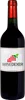
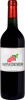
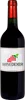
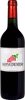
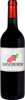
Winery ModraAlibernet Neskorý Zber
 Red wine


This wine generally goes well with
Details and technical informations about Winery Modra's Alibernet Neskorý Zber.
Discover the grape variety: Cabernet-Franc
Cabernet Franc is one of the oldest red grape varieties in Bordeaux. The Libourne region is its terroir where it develops best. The terroirs of Saint-Emilion and Fronsac allow it to mature and develop its best range of aromas. It is also the majority in many blends. The very famous Château Cheval Blanc, for example, uses 60% Cabernet Franc. The wines produced with Cabernet Franc are medium in colour with fine tannins and subtle aromas of small red fruits and spices. When blended with Merlot and Cabernet Sauvignon, it brings complexity and a bouquet of aromas to the wine. It produces fruity wines that can be drunk quite quickly but whose great vintages can be kept for a long time. It is an earlier grape variety than Cabernet-Sauvignon which means that it is also well planted further north, as far as the Loire Valley. In Anjou, it is also used to make sweet rosé wines. Cabernet Franc is now used in some twenty countries in Europe and throughout the world.
Last vintages of this wine
The best vintages of Alibernet Neskorý Zber from Winery Modra are 0
Informations about the Winery Modra
The Winery Modra is one of of the world's great estates. It offers 59 wines for sale in the of Južnoslovenská to come and discover on site or to buy online.

The wine region of Južnoslovenská
The wine region of Južnoslovenská of Slovak Republic. Wineries and vineyards like the Chateau Belá or the Domaine Strekov 1075 produce mainly wines white, red and pink. The most planted grape varieties in the region of Južnoslovenská are Cabernet-Sauvignon, Riesling and Pinot gris, they are then used in wines in blends or as a single variety. On the nose of Južnoslovenská often reveals types of flavors of grapefruit, slate or oil and sometimes also flavors of non oak, earth or microbio.
The word of the wine: Hat
Solid part (marc), composed of pips and skins (sometimes of the stalk), which forms at the top of the tank during fermentation. The pigeage consists in breaking this cap to put back in suspension these elements and to favour the exchanges between the juice and the skins.