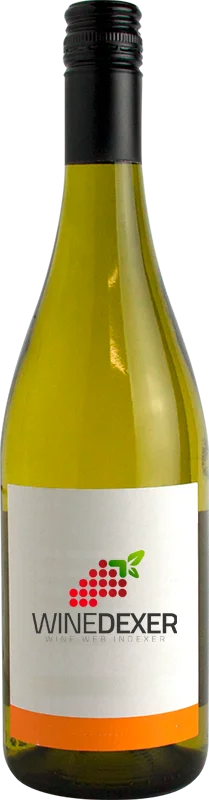
Winery Minkov BrothersBi Cycle Sauvignon Blanc - Rheinriesling
 White wine



This wine generally goes well with pork, vegetarian or poultry.

Food and wine pairings with Bi Cycle Sauvignon Blanc - Rheinriesling
Pairings that work perfectly with Bi Cycle Sauvignon Blanc - Rheinriesling



Original food and wine pairings with Bi Cycle Sauvignon Blanc - Rheinriesling



The Bi Cycle Sauvignon Blanc - Rheinriesling of Winery Minkov Brothers matches generally quite well with dishes of pork, rich fish (salmon, tuna etc) or shellfish such as recipes of sloth pork loin, oven-baked salmon mozzarella sandwiches or cuttlefish rust.
Details and technical informations about Winery Minkov Brothers's Bi Cycle Sauvignon Blanc - Rheinriesling.
Discover the grape variety: Riesling
Crystalline, taut whites with vibrant acidity and aromas of citrus, green apple, white flowers, vineyard peach and mineral/petrol notes with age. Made as dry (Trocken, Alsace), off-dry (Kabinett, Spätlese) and sweet (Auslese, Beerenauslese, Trockenbeerenauslese, late harvest). Star of the Moselle, Rheingau, Alsace AOC and Wachau. Also exported to Clare Valley and Finger Lakes.
Last vintages of this wine
The best vintages of Bi Cycle Sauvignon Blanc - Rheinriesling from Winery Minkov Brothers are 2012, 2014, 2013, 0
Informations about the Winery Minkov Brothers
The Winery Minkov Brothers is one of of the world's great estates. It offers 54 wines for sale in the of Thracian Valley to come and discover on site or to buy online.

The wine region of Thracian Valley
Bulgaria's largest wine region, land of identity-driven reds. Signature Mavrud around Plovdiv: a structured, tannic red with notes of blackberry, candied plum, dry herbs, leather and spices, long ageing. Fleshy, deep Rubin (Nebbiolo × Syrah cross), supple, fruity Pamid, dense Melnik 55. Aromatic Red Misket whites (rose, citrus).
The word of the wine: Assemblage (Champagne)
In Champagne, it is the art of blending still wines from different grape varieties (pinot meunier, pinot noir, chardonnay), from different terroirs (villages, areas) and often from different years. The incorporation of older wines, called reserve wines, allows for greater aromatic complexity.