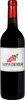
Winery MillbergShiraz - Pinotage
 wine
wine
This wine generally goes well with
The Shiraz - Pinotage of the Winery Millberg is in the top 0 of wines of Stellenbosch.

Details and technical informations about Winery Millberg's Shiraz - Pinotage.
Discover the grape variety: Louise Swenson
Fresh, fruity whites to drink young, with a pale golden robe, an airy palate with preserved acidity on pear, apple, white flowers and delicate aromas. Elegant profile for a hybrid. Grown in the cold regions of North America and Canada (Minnesota, Québec, Vermont), resists extreme continental viticultural climates. American white hybrid obtained in 1990 by Elmer Swenson in Minnesota.
Informations about the Winery Millberg
The Winery Millberg is one of of the world's greatest estates. It offers 6 wines for sale in the of Stellenbosch to come and discover on site or to buy online.

The wine region of Stellenbosch
Showcase of the South African vineyard: signature Cabernet Sauvignon as king red — structured and age-worthy with notes of blackcurrant, blackberry, cedar, tobacco and a menthol touch, firm tannins. Emblematic national Pinotage (created 1925) opulent and smoky (blackberry, coffee, leather). Fleshy Shiraz, supple Merlot as complement. Vibrant Chenin Blanc, ample Chardonnay and lively Sauvignon in whites.
The wine region of Western Cape
Cradle of South African wine. Signature Chenin Blanc (Steen, 20%) in ample, fresh whites with notes of quince, yellow apple, honey and acacia flower, from crisp dry to sweet. Sharp, iodised Sauvignon Blanc (Walker Bay, Constantia), balanced Chardonnay. Reds: emblematic Pinotage with roasted aromas (coffee, plum, smoke), firm Cabernet Sauvignon, spicy Syrah.
The word of the wine: Tartar (deposit)
White, chalky deposits that occur as a result of precipitation inside bottles and are often considered by consumers as a defect. They are in fact tartaric salts formed by tartaric acid, potassium and calcium naturally present in the wine. This deposit does not alter the quality of the wine and can be eliminated by a simple decanting.