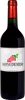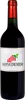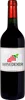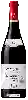
Winery MignotMorgon Côte du Py
 Red wine
In the mouth this red wine is a with a nice freshness.
This wine generally goes well with pork, poultry or veal.

Taste structure of the Morgon Côte du Py from the Winery Mignot
Light | Bold | |
Smooth | Tannic | |
Dry | Sweet | |
Soft | Acidic |
In the mouth the Morgon Côte du Py of Winery Mignot in the region of Beaujolais is a with a nice freshness.
Food and wine pairings with Morgon Côte du Py
Pairings that work perfectly with Morgon Côte du Py



Original food and wine pairings with Morgon Côte du Py

The Morgon Côte du Py of Winery Mignot matches generally quite well with dishes of pasta, veal or pork such as recipes of pasta with arrabiata, veal with cream and mushrooms or basque piperade.
Details and technical informations about Winery Mignot's Morgon Côte du Py.
Discover the grape variety: Calabre blanc
Aromatic dry and semi-dry whites with a pale golden colour, a supple palate with moderate acidity, and characteristic muscat aromas (fresh grape, flowers) with Mediterranean notes. Simple profile. Nearly extinct in commercial cultivation, preserved in varietal collections; witnesses the historical spread of Italian varieties across central and eastern Europe. Historic Italian white variety, once grown in central and southern Italy and eastern Europe.
Informations about the Winery Mignot
The Winery Mignot is one of of the world's greatest estates. It offers 18 wines for sale in the of Beaujolais to come and discover on site or to buy online.

The wine region of Beaujolais
Kingdom of Gamay (98% of the vineyard): fruity, accessible reds with signature notes of cherry, raspberry, banana (carbonic maceration), violet and sweet spices, supple tannins and juicy acidity. From festive Beaujolais Nouveau (3rd Thursday of November) to the 10 more structured, age-worthy Crus: deep earthy Morgon, sturdy Moulin-à-Vent, floral Fleurie, crunchy Brouilly. Some lively Chardonnay. 12,000 ha south of Burgundy, granitic soils.
The word of the wine: Malic (acid)
An acid that occurs naturally in many wines and is transformed into lactic acid during malolactic fermentation.