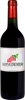
Winery Castellani MicheleI Castei Rosso Veronese
 Red wine



This wine generally goes well with

Wine flavors and olphactive analysis



On the nose the I Castei Rosso Veronese of Winery Castellani Michele in the region of Veneto often reveals types of flavors of non oak, oak or spices.
Details and technical informations about Winery Castellani Michele's I Castei Rosso Veronese.
Discover the grape variety: Blauburgunder
Elegant, structured reds with a clear to deep ruby colour, silky tannins and a smooth palate, showing signature aromas of red fruits (cherry, raspberry, strawberry), forest floor, mushroom, gentle spices and vanilla from oak ageing. Good ageing potential. Produces great wines in German-speaking regions — Germany (Baden-Württemberg, Palatinate), Austria, northern Italy (Südtirol) and German-speaking Switzerland. German and Austrian synonym for Pinot Noir.
Last vintages of this wine
The best vintages of I Castei Rosso Veronese from Winery Castellani Michele are 2012, 2014, 0
Informations about the Winery Castellani Michele
The Winery Castellani Michele is one of of the world's great estates. It offers 20 wines for sale in the of Valpolicella to come and discover on site or to buy online.

The wine region of Valpolicella
Veronese Veneto, four styles of red around Corvina. Classic Valpolicella: fruity and light (cherry, kirsch, spice), thirst-quenching. Ripasso "re-passed" over Amarone marc: fleshier. Signature Amarone DOCG: grapes dried 120 days (appassimento), a powerful, opulent red (candied cherry, plum, chocolate), 15-16%, great ageing.
The wine region of Veneto
World star of Prosecco: fresh, light Glera sparklers with notes of pear, green apple and white flowers, fruity, convivial bubbles. Veronese reds from Corvina and Rondinella: light, crisp Bardolino, fruity Valpolicella, opulent, concentrated Amarone DOCG (black cherry, chocolate, raisin) from dried grapes. Mineral, almondy Soave (Garganega) whites, fresh Pinot Grigio. 97,500 ha, Italy's largest production.
The word of the wine: Reserve wine (champagne)
Older wines, kept in vats or aged in wood in some houses, or kept in magnums at Bollinger. A small percentage of these wines are used in the blending of non-vintage wines in order to bring greater aromatic complexity.