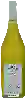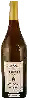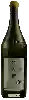
Winery Michel GahierMacvin du Jura
 White wine


This wine generally goes well with poultry, mild and soft cheese or mushrooms.

Food and wine pairings with Macvin du Jura
Pairings that work perfectly with Macvin du Jura


Original food and wine pairings with Macvin du Jura
The Macvin du Jura of Winery Michel Gahier matches generally quite well with dishes of poultry, mushrooms or mild and soft cheese such as recipes of clafoutis with bush and courgettes, home-made coq au vin or croque madame.
Details and technical informations about Winery Michel Gahier's Macvin du Jura.
Discover the grape variety: Charbono
Deep-coloured, fruity reds with a sustained purple colour, firm yet rounded tannins and a dense, fresh palate; signature aromas of black fruits (blackberry, blackcurrant), red fruits (cherry), spices and herbal notes. Grown in California as Charbono and in Argentina as Bonarda for characterful reds. Indigenous Italian black grape from Piedmont (Douce Noir), identical to Argentina's Bonarda by DNA analysis.
Last vintages of this wine
The best vintages of Macvin du Jura from Winery Michel Gahier are 0
Informations about the Winery Michel Gahier
The Winery Michel Gahier is one of of the world's great estates. It offers 19 wines for sale in the of Jura to come and discover on site or to buy online.

The wine region of Jura
Unique Franche-Comté region between Burgundy and Switzerland, incomparable oxidative identity. Signature mythical Vin Jaune from Savagnin: aged 6 years 3 months in cask under flor, intense whites with signature green walnut, curry, cumin, russet apple, honey and lingering iodine — 62 cl clavelin, century-long ageing. Also classic topped-up Chardonnay (citrus, butter), pale light Poulsard red (strawberry, undergrowth), dense Trousseau, fine Pinot Noir. Sweet Vin de Paille.
The word of the wine: Wooded
A set of aromas brought about by ageing in barrels (usually oak). This can be pleasant when, in small doses, it brings a touch of spice, roast or vanilla to an already constructed ensemble. When the violent woodiness dominates the wine, it is quickly tiring. Easily identifiable aromatically, it is sought after (to the point of abuse) by the makers of coarse wines. New World manufacturers and, alas, some French winemakers use oak chips to impart the woody taste, which is tantamount to artificial flavoring.