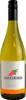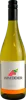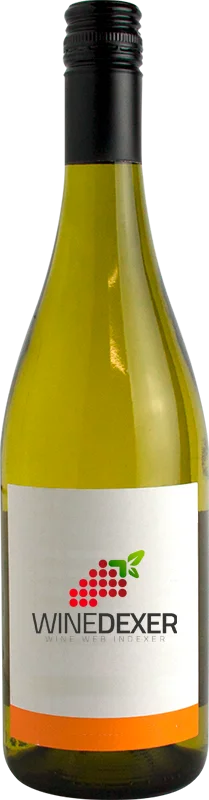
Winery MichalakisDafni
 White wine


This wine generally goes well with
Details and technical informations about Winery Michalakis's Dafni.
Discover the grape variety: Muscat Valvin
Interspecific crossing between the muscat du moulin or 299-35 Couderc (Pédro Ximénès x 603 Couderc (carignan noir x vitis rupestris) and the muscat ottonel obtained in 1962 by Bruce Reisch and Thomas Henick-Kling at the Experimental Station of the Cornell University - Geneva - New York (United States) Apart from this country, it is almost unknown in other wine-producing countries.
Last vintages of this wine
The best vintages of Dafni from Winery Michalakis are 0
Informations about the Winery Michalakis
The Winery Michalakis is one of of the world's great estates. It offers 48 wines for sale in the of Heraklion to come and discover on site or to buy online.

The wine region of Heraklion
The wine region of Heraklion is located in the region of Crete of Greece. Wineries and vineyards like the Domaine Zacharioudakis or the Domaine Alexakis produce mainly wines red, white and pink. The most planted grape varieties in the region of Heraklion are Vilana, Cabernet-Sauvignon and Vidiano, they are then used in wines in blends or as a single variety. On the nose of Heraklion often reveals types of flavors of grapefruit, spices or smoke and sometimes also flavors of grass, vegetal or honey.
The wine region of Crete
The wine region of Crete of Greece. Wineries and vineyards like the Domaine Lyrarakis or the Domaine Economou (Oikonomoy) produce mainly wines white, red and pink. The most planted grape varieties in the region of Crete are Vidiano, Vilana and Cabernet-Sauvignon, they are then used in wines in blends or as a single variety. On the nose of Crete often reveals types of flavors of red fruit, cocoa or raisin and sometimes also flavors of mushroom, red cherry or red fruit.
The word of the wine: Drawing (liqueur de)
In champagne and sparkling wines of traditional method, addition to the wine, at the time of bottling (tirage) of sugars and yeasts dissolved in wine. These components will provoke the second fermentation in the bottle leading to the formation of carbon dioxide bubbles.