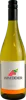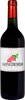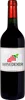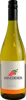
Winery Michael SchneiderBopparder Hamm Regent Trocken
 wine
wine
This wine generally goes well with
The Bopparder Hamm Regent Trocken of the Winery Michael Schneider is in the top 0 of wines of Mittelrhein.
Details and technical informations about Winery Michael Schneider's Bopparder Hamm Regent Trocken.
Discover the grape variety: Baroque
From a morphological point of view, Baroque seems to have common origins with Tannat. Still called Blanc Bordelais, this white grape variety is distinguished essentially by the characteristics of its leaves. Those that are still young are both yellowish and downy. Their bumps have a somewhat bronzed appearance. The adult leaves have angular teeth. The leaves are not very three-lobed and have a pubescent, downy blade. The Baroque is grown in the Adour basin, mainly in Tursan and in certain vineyards in the Gers. Its production area is therefore not very large. This grape variety manages to resist oidium, unlike other varieties, and its harvest must be well done and free of rot. The harvest must be well done and free of rot, which leads to a better result and a more successful wine production. Moreover, the development of Baroque must be slowed down in time, bearing in mind that this type of grape variety only matures about twenty days after Chasselas.
Informations about the Winery Michael Schneider
The Winery Michael Schneider is one of of the world's great estates. It offers 18 wines for sale in the of Mittelrhein to come and discover on site or to buy online.

The wine region of Mittelrhein
Mittelrhein is one of Germany's smaller wine regions, with around 468 hectares (1,156 acres) under Vine. A Long, thin region, it follows the course of the Rhine river between Rheinhessen/bingen">Bingen and Bonn, a distance of about 100 kilometers (60 miles) as the crow flies. At its Southern end, the region abuts the western edge of Rheinhessen and northern limits of the Nahe. It also intersects with the Mosel and Ahr regions, where their respective rivers Flow into the Rhine.
The word of the wine: Hat
Solid part (marc), composed of pips and skins (sometimes of the stalk), which forms at the top of the tank during fermentation. The pigeage consists in breaking this cap to put back in suspension these elements and to favour the exchanges between the juice and the skins.