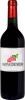
Winery Michael GillBlack Tie Alicante Bouschet
 Red wine


This wine generally goes well with
Wine flavors and olphactive analysis

On the nose the Black Tie Alicante Bouschet of Winery Michael Gill in the region of California often reveals types of flavors of spices, red fruit or black fruit.
Details and technical informations about Winery Michael Gill's Black Tie Alicante Bouschet.
Discover the grape variety: Admirable
According to genetic analyses carried out in Montpellier (Hérault), it is the result of a cross between the bicane and the chasselas obtained in Saumur (Maine and Loire Valley) by Doctor Auguste Courtiller in the 1840s, registered in the Official Catalogue of table grape varieties, list A1. Today, the Admirable de Courtiller is practically no longer multiplied.
Last vintages of this wine
The best vintages of Black Tie Alicante Bouschet from Winery Michael Gill are 0
Informations about the Winery Michael Gill
The Winery Michael Gill is one of of the world's greatest estates. It offers 12 wines for sale in the of Paso Robles to come and discover on site or to buy online.

The wine region of Paso Robles
The wine region of Paso Robles is located in the region of San Luis Obispo County of California of United States. We currently count 940 estates and châteaux in the of Paso Robles, producing 3510 different wines in conventional, organic and biodynamic agriculture. The wines of Paso Robles go well with generally quite well with dishes .
The wine region of California
California is the largest and most important wine region in the United States. It represents the southern two-thirds (850 miles or 1,370 kilometers) of the country's west coast. (Oregon and Washington make up the rest. ) The state also spans nearly 10 degrees of latitude.
The word of the wine: Oenology
The science of the oenologist, which is essentially concerned with the elaboration and maturation of wines.