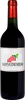
Winery Metropolitan MarketRelease No. 24 White
 wine
wine
This wine generally goes well with
The Release No. 24 White of the Winery Metropolitan Market is in the top 0 of wines of Columbia Valley.
Details and technical informations about Winery Metropolitan Market's Release No. 24 White.
Discover the grape variety: Merzling
A cross between Seyval and FR 375-52 (Riesling x Pinot Gris or Rülander) obtained in Germany in 1960 by Johannes Zimmermann. It can be found in Denmark, Belgium, Switzerland, Lithuania, the Czech Republic, etc. In France, it is practically unknown.
Informations about the Winery Metropolitan Market
The Winery Metropolitan Market is one of of the world's greatest estates. It offers 16 wines for sale in the of Columbia Valley to come and discover on site or to buy online.

The wine region of Columbia Valley
The wine region of Columbia Valley is located in the region of Washington of United States. We currently count 841 estates and châteaux in the of Columbia Valley, producing 3147 different wines in conventional, organic and biodynamic agriculture. The wines of Columbia Valley go well with generally quite well with dishes .
The wine region of Washington
Washington State is located in the Pacific Northwest of the United States, immediately north of Oregon. Although the history of the wine industry is relatively Short, Washington's 900-plus wineries and 350-plus independent winemakers, with more than 50,000 acres of vineyards, now produce more wine than any other state except California. Almost all wine production is in the hot, desert-like eastern Part of Washington, although there is some Grape growing and an AVA (Puget Sound) in the cooler, wetter west. White Chardonnay and Riesling grapes, and red Merlot, Cabernet Sauvignon and Syrah grapes are the main varieties grown in Washington, but the region produces quality wines from nearly 70 different grape varieties.
The word of the wine: Alcoholic fermentation
Transformation of sugars into alcohol under the effect of yeast. These yeasts exist in their natural state in the vineyards and in the cellars. Artificial seeding with selected yeasts is however very often practiced.