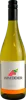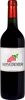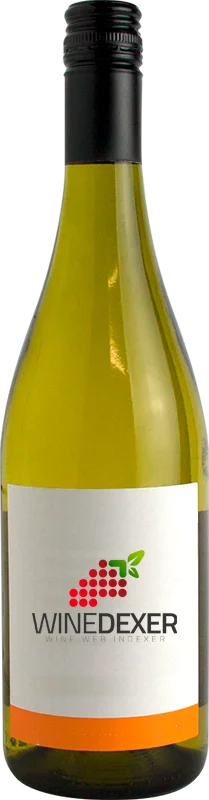
Winery MessiasBeiras Branco
 White wine
In the mouth this white wine is a with a nice freshness.
This wine generally goes well with appetizers and snacks, lean fish or shellfish.

Taste structure of the Beiras Branco from the Winery Messias
Light | Bold | |
Dry | Sweet | |
Soft | Acidic |
In the mouth the Beiras Branco of Winery Messias in the region of Beiras is a with a nice freshness.
Food and wine pairings with Beiras Branco
Pairings that work perfectly with Beiras Branco



Original food and wine pairings with Beiras Branco

The Beiras Branco of Winery Messias matches generally quite well with dishes of shellfish, appetizers and snacks or lean fish such as recipes of fondue with lao sukiyaki sauce (laos), smoked salmon and lemon cake or lamb with okra sauce.
Details and technical informations about Winery Messias's Beiras Branco.
Discover the grape variety: Azal Branco
Lively, light whites best enjoyed young, with a pale golden robe, a nervy palate with very pronounced acidity, and signature aromas of citrus (lemon), green apple, white flowers and fresh herbal notes. A traditional component of Vinho Verde DOC blends (Amarante, Baião, Basto), contributing freshness and slight pétillance to the whites of northwest Portugal. White-skinned mutation of the Azal, autochthonous Portuguese grape from the Minho.
Informations about the Winery Messias
The Winery Messias is one of wineries to follow in Beiras.. It offers 95 wines for sale in the of Beiras to come and discover on site or to buy online.

The wine region of Beiras
Vast region of north-central Portugal, a fragmented mosaic of distinct sub-regions. In the west, Bairrada makes dense Baga reds with notes of black cherry, blackberry and leather, firm tannins — the base of the great Portuguese sparkling wines. In the centre, Dao produces fine Touriga Nacional reds (violet, raspberry, spice) and elegant Encruzado whites (flowers, citrus, butter). To the continental east, fleshy Touriga of Beira Interior and aromatic Fernao Pires.
The word of the wine: Away from the eye
See len de l'el.