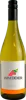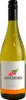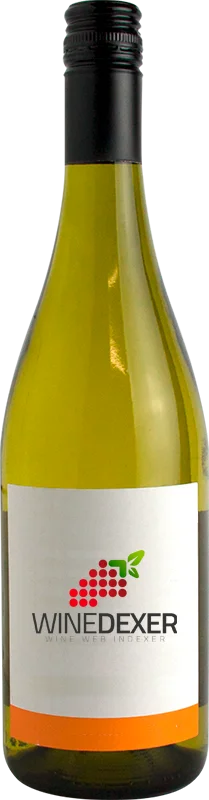
Winery MercatorSauvage Sur Lie
 White wine


This wine generally goes well with
The Sauvage Sur Lie of the Winery Mercator is in the top 80 of wines of Nova Scotia.
Wine flavors and olphactive analysis


On the nose the Sauvage Sur Lie of Winery Mercator in the region of Nova Scotia often reveals types of flavors of microbio, oak.
Details and technical informations about Winery Mercator's Sauvage Sur Lie.
Discover the grape variety: Ahmeur bou A(h)meur
Its origin would be from North Africa (Algeria/Kabylie) or Spain. It is a variety that was often grown on trellises in front of houses and sometimes its grapes were preserved in brandy to be enjoyed throughout the year. It is found in North Africa, the United States (California), Argentina, Spain and Portugal. In France, it is not well known because of its susceptibility to winter frosts and its late ripening.
Last vintages of this wine
The best vintages of Sauvage Sur Lie from Winery Mercator are 0
Informations about the Winery Mercator
The Winery Mercator is one of of the world's greatest estates. It offers 7 wines for sale in the of Nova Scotia to come and discover on site or to buy online.

The wine region of Nova Scotia
Nova Scotia is one of Canada’s maritime provinces, located halfway between the equator and the North Pole. While the region is not as famous for its wines as Ontario and British Columbia, there is a flourishing wine industry based largely on Sparkling wines and crisp white wines made from Grape varieties such as Vidal, Seyval Blanc, and the province's signature L'Arcadie Blanc variety. Nova Scotia is surrounded by three bodies of water, with the Atlantic Ocean to the South, the Bay of Fundy in the northwest and the Gulf of St Lawrence in the north. If it were an island it would be around the same area as Tasmania and almost the same relative latitude.
The word of the wine: Liquid
Sweet wine containing more than 50 grams of residual sugar per liter. Sweet wines are made from grapes often affected by botrytis cinerea and concentrated either by passerillage (drying of the grapes on the vine stock), or after the harvest (straw wines), or by the cold (ice wines).