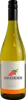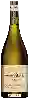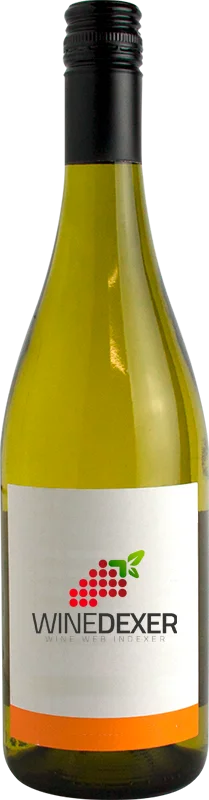
Winery Medrano EstateTerroir Torrontes
 White wine



In the mouth this white wine is a powerful with a nice freshness.
This wine generally goes well with vegetarian, spicy food or aperitif.
Taste structure of the Terroir Torrontes from the Winery Medrano Estate
Light | Bold | |
Dry | Sweet | |
Soft | Acidic |
In the mouth the Terroir Torrontes of Winery Medrano Estate in the region of Mendoza is a powerful with a nice freshness.
Food and wine pairings with Terroir Torrontes
Pairings that work perfectly with Terroir Torrontes



Original food and wine pairings with Terroir Torrontes
The Terroir Torrontes of Winery Medrano Estate matches generally quite well with dishes of spicy food, vegetarian or aperitif such as recipes of coral lentil salad, zucchini quiche or cream of asparagus soup in verrines.
Details and technical informations about Winery Medrano Estate's Terroir Torrontes.
Discover the grape variety: Touriga franca
Most certainly Portuguese. It is said to be the result of a cross between the mourisco de semente and the touriga nacional, which should not be confused with it. It can be found in Australia, South Africa, the United States (California), etc. and is virtually unknown in France.
Last vintages of this wine
The best vintages of Terroir Torrontes from Winery Medrano Estate are 2011, 0
Informations about the Winery Medrano Estate
The Winery Medrano Estate is one of of the world's great estates. It offers 25 wines for sale in the of Mendoza to come and discover on site or to buy online.

The wine region of Mendoza
Mendoza is by far the largest wine region in Argentina. Located on a high-altitude plateau at the edge of the Andes Mountains, the province is responsible for roughly 70 percent of the country's annual wine production. The French Grape variety Malbec has its New World home in the vineyards of Mendoza, producing red wines of great concentration and intensity. The province Lies on the western edge of Argentina, across the Andes Mountains from Chile.
The word of the wine: Erinosis
Generally benign condition caused by a very small mite. The infested leaves show blisters on the upper surface, sometimes reddish, sometimes green, to which corresponds on the lower surface a dense felting, first pinkish white, then brownish or reddish.