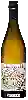
Winery MaybachWeisser Burgunder Trocken
 White wine


In the mouth this white wine is a with a nice freshness.
This wine generally goes well with rich fish (salmon, tuna etc), shellfish or mild and soft cheese.

Taste structure of the Weisser Burgunder Trocken from the Winery Maybach
Light | Bold | |
Dry | Sweet | |
Soft | Acidic |
In the mouth the Weisser Burgunder Trocken of Winery Maybach in the region of Pfalz is a with a nice freshness.
Wine flavors and olphactive analysis




On the nose the Weisser Burgunder Trocken of Winery Maybach in the region of Pfalz often reveals types of flavors of earth, microbio or vegetal and sometimes also flavors of tree fruit, citrus fruit.
Food and wine pairings with Weisser Burgunder Trocken
Pairings that work perfectly with Weisser Burgunder Trocken



Original food and wine pairings with Weisser Burgunder Trocken

The Weisser Burgunder Trocken of Winery Maybach matches generally quite well with dishes of rich fish (salmon, tuna etc), shellfish or mild and soft cheese such as recipes of potato and tuna gratin, mussels with rosemary and barbecue or tartiflette (from a real savoyard).
Details and technical informations about Winery Maybach's Weisser Burgunder Trocken.
Discover the grape variety: Schiava
Light, fruity reds with a pale onion-skin ruby colour, silky tannins and supple palate, showing signature aromas of red fruits (strawberry, raspberry, cherry), bitter almond, violet and gentle spices. Alpine airy profile for early drinking. Star of the Alto Adige Schiava DOC and Kalterersee DOC appellations, the aromatic signature of South Tyrol. Family of native Italian black varieties from Südtirol (Grossa, Gentile, Grigia), widely grown in Trentino.
Last vintages of this wine

The best vintages of Weisser Burgunder Trocken from Winery Maybach are 2015, 2019, 2018, 2017 and 2013.
Informations about the Winery Maybach
The Winery Maybach is one of of the world's greatest estates. It offers 17 wines for sale in the of Pfalz to come and discover on site or to buy online.

The wine region of Pfalz
Fleshy, dry, fruity Riesling is the region's signature: yellow peach, apricot, ripe citrus, lovely mineral tension. Germany's largest red-wine area (40%), with silky Spätburgunder showing red fruit and spice, darker structured Dornfelder, supple Portugieser. Some rounded Pinot Blanc and Pinot Gris. A 23,640 ha vineyard along the Haardt, among Germany's warmest (>2,000 h of sun).
The word of the wine: Clarity
The state of translucency of a wine. A clear wine is not cloudy (which is a defect).