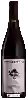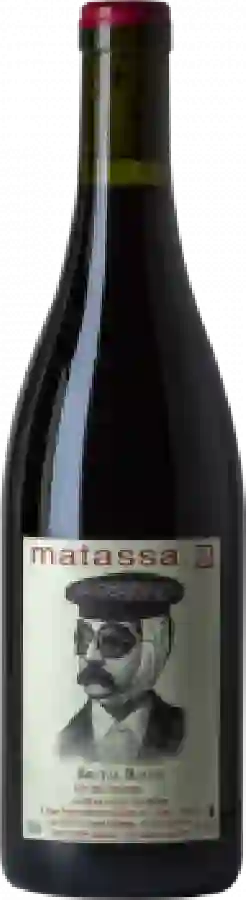
Winery MatassaVoodou Rouge
 Red wine


This wine generally goes well with
The Voodou Rouge of the Winery Matassa is in the top 60 of wines of Vin de Pays.

Wine flavors and olphactive analysis



On the nose the Voodou Rouge of Winery Matassa in the region of Pays d'Oc often reveals types of flavors of leather, earth or oak and sometimes also flavors of red fruit.
Details and technical informations about Winery Matassa's Voodou Rouge.
Discover the grape variety: Khindogni
Structured, deeply coloured reds with a deep purple hue, firm tannins and a dense palate with fresh acidity; signature aromas of dark fruits (blackberry, blackcurrant), plum, spices, leather and Caucasian balsamic notes. Fine ageing potential. Grown in the Ararat Valley and Nagorno-Karabakh, producing characterful Armenian artisan cuvées. Native Armenian black grape, studied for its Caucasian genetic interest.
Last vintages of this wine
The best vintages of Voodou Rouge from Winery Matassa are 2011
Informations about the Winery Matassa
The Winery Matassa is one of of the world's greatest estates. It offers 27 wines for sale in the of Vin de Pays to come and discover on site or to buy online.

The wine region of Vin de Pays
Intermediate category between AOC and Vin de France (renamed IGP in 2009), 27% of national volume. Accessible, expressive wines defined by their grape: opulent Chardonnay, lively Sauvignon, round Merlot, peppery Syrah, floral Viognier with apricot. 76 IGP in France at 3 scales: regional (Pays d'Oc, Méditerranée, Val de Loire), departmental or local. Flexible rules, wide range of permitted grapes, free grape and vintage labelling.
The wine region of Pays d'Oc
The single-grape IGP par excellence: modern, accessible, frank and fruity wines, the popular signature of the Midi. Spicy Syrah reds (pepper, blackberry), round Merlot, structured Cabernet, generous Grenache, supple Cinsault. Crisp, tangy rosés. Opulent Chardonnay whites, lively Sauvignon, floral, apricoty Viognier.
The word of the wine: Eye
In tasting, this is the first phase of the analysis of the wine, which consists of describing its visual aspect (colour, intensity, clarity, brilliance and possible defects).