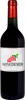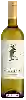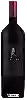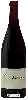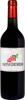
Winery Mas MarignaneSyrah
 Red wine
In the mouth this red wine is a powerful with a nice balance between acidity and tannins.
This wine generally goes well with beef, veal or pasta.

Taste structure of the Syrah from the Winery Mas Marignane
Light | Bold | |
Smooth | Tannic | |
Dry | Sweet | |
Soft | Acidic |
In the mouth the Syrah of Winery Mas Marignane in the region of Pays d'Oc is a powerful with a nice balance between acidity and tannins.
Food and wine pairings with Syrah
Pairings that work perfectly with Syrah



Original food and wine pairings with Syrah
The Syrah of Winery Mas Marignane matches generally quite well with dishes of beef, pasta or veal such as recipes of beef strogonoff, mami's macaroni and gruyere gratin or veal shoulder with cream and tarragon.
Details and technical informations about Winery Mas Marignane's Syrah.
Discover the grape variety: Tressailler
Light, lively whites to drink young with a pale golden robe, an airy palate with preserved acidity, and discreet aromas of citrus (lemon), white flowers and fresh herbal notes. Also used in sparkling base wines. A component of Saint-Pourçain AOC in Auvergne and participant in Crémant de Bourgogne. Also called Sacy, this indigenous French white from the Allier and Bourbonnais defines northern Burgundy.
Informations about the Winery Mas Marignane
The Winery Mas Marignane is one of of the world's greatest estates. It offers 18 wines for sale in the of Pays d'Oc to come and discover on site or to buy online.

The wine region of Pays d'Oc
The single-grape IGP par excellence: modern, accessible, frank and fruity wines, the popular signature of the Midi. Spicy Syrah reds (pepper, blackberry), round Merlot, structured Cabernet, generous Grenache, supple Cinsault. Crisp, tangy rosés. Opulent Chardonnay whites, lively Sauvignon, floral, apricoty Viognier.
The word of the wine: Vinification of sweet wines
Moelleux and liquoreux wines are characterized by the presence of residual sugars (natural sugar of the grape), not transformed into alcohol under the effect of yeasts. The fermentation is stopped by cold and by the addition of sulphur dioxide (sulphur).