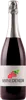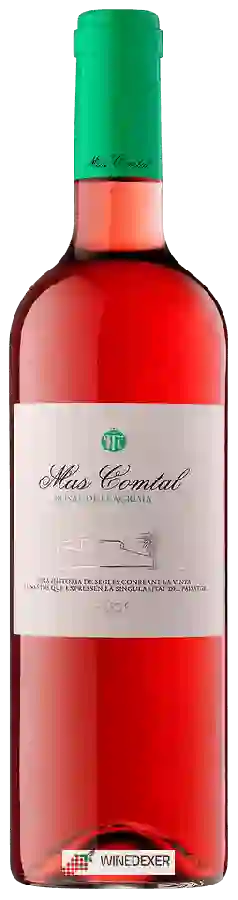
Winery Mas ComtalRosat de Llàgrima
 Pink wine



This wine generally goes well with beef and game (deer, venison).

Food and wine pairings with Rosat de Llàgrima
Pairings that work perfectly with Rosat de Llàgrima


Original food and wine pairings with Rosat de Llàgrima
The Rosat de Llàgrima of Winery Mas Comtal matches generally quite well with dishes of beef or game (deer, venison) such as recipes of seven o'clock leg of lamb or venison leg with tomato sauce.
Discover the grape variety: Merlot
Round and fleshy reds with a velvety texture, showing aromas of ripe plum, black cherry, cocoa and truffle notes with age. Supple tannins, generous alcohol, indulgent finish. Pillar of Libournais (Pomerol with Pétrus, Saint-Émilion with Cheval Blanc and Ausone) and signature of Super Tuscans, Italian Wales and Washington State. A cross of Cabernet Franc × Magdeleine Noire, France's most planted red variety.
Last vintages of this wine
The best vintages of Rosat de Llàgrima from Winery Mas Comtal are 2017, 2015, 2018, 2016 and 2014.
Informations about the Winery Mas Comtal
The Winery Mas Comtal is one of of the world's greatest estates. It offers 27 wines for sale in the of Penedès to come and discover on site or to buy online.

The wine region of Penedès
Historic cradle of Cava (95% of Spanish output, centred on Sant Sadurní d'Anoia): traditional-method sparklers, convivial and brioche-like. Indigenous trilogy: signature Xarel-lo (body, herbaceous and almondy notes), Macabeo (apple, freshness), Parellada (floral elegance). Still wines ~80% white from the same grapes, straight and accessible. Also sunny Garnacha, Cabernet and Pinot Noir.
The wine region of Catalogne
Cradle of Cava (~95% of Spanish output, traditional method): Macabeo, Xarel-lo, Parellada trilogy, fine fruity bubble. Quality peak in Priorat DOCa: dense, mineral reds on llicorella (schist), old-vine Garnacha and Cariñena with black fruit, garrigue notes, firm tannins. Also Penedès, fleshy Montsant, sunny Empordà, Costers del Segre. Mediterranean.
The word of the wine: Green
Said of a wine that is too acidic or marked by unpleasant vegetal tastes.