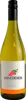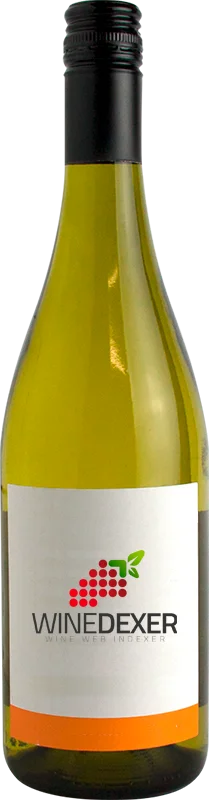
Winery MartinoMoscato
 White wine



In the mouth this white wine is a powerful.
This wine generally goes well with vegetarian, appetizers and snacks or shellfish.
The Moscato of the Winery Martino is in the top 40 of wines of Basilicata.

Taste structure of the Moscato from the Winery Martino
Light | Bold | |
Dry | Sweet | |
Soft | Acidic |
In the mouth the Moscato of Winery Martino in the region of Basilicata is a powerful.
Food and wine pairings with Moscato
Pairings that work perfectly with Moscato



Original food and wine pairings with Moscato
The Moscato of Winery Martino matches generally quite well with dishes of shellfish, vegetarian or appetizers and snacks such as recipes of jambalaya (louisiana), light tuna-tomato quiche (without cream) or smoked salmon and lemon cake.
Details and technical informations about Winery Martino's Moscato.
Discover the grape variety: Amaral
Light, acidic reds best drunk young, with a sustained ruby robe, silky tannins and a lively palate showing fresh red fruits (cherry, raspberry), inky notes and a herbaceous hint. Crisp and refreshing. Often blended with Vinhão and Espadeiro, contributing to the bright profile of Vinho Verde tinto DOC. Native Portuguese black grape grown mainly in the Vinho Verde region of north-west Portugal.
Last vintages of this wine
The best vintages of Moscato from Winery Martino are 0
Informations about the Winery Martino
The Winery Martino is one of of the world's greatest estates. It offers 19 wines for sale in the of Basilicata to come and discover on site or to buy online.

The wine region of Basilicata
Austere region of southern Italy between Campania and Apulia, kingdom of volcanic Aglianico. Aglianico del Vulture signature DOCG on volcanic soils (~1,500 ha at 700 m): powerful, structured reds with signature notes of black cherry, blackberry, tobacco, leather, liquorice and a smoky mineral touch, firm tannins and long ageing — compared to Nebbiolo and Barolo. Also sun-drenched Primitivo, round Montepulciano. Fresh Greco and Fiano whites.
The word of the wine: Alcohol content
Quantity of alcohol in wine and in all alcoholic beverages, expressed in degrees or as a percentage.