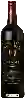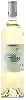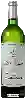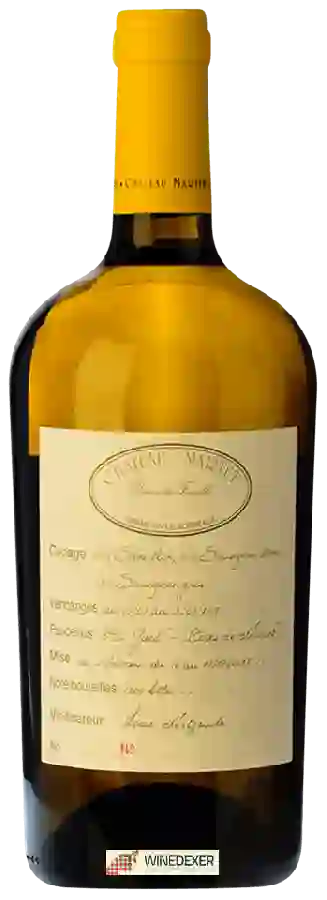
Château MartetRéserve de Famille Blanc
 White wine


In the mouth this white wine is a powerful.
This wine generally goes well with pork, vegetarian or poultry.

Taste structure of the Réserve de Famille Blanc from the Château Martet
Light | Bold | |
Dry | Sweet | |
Soft | Acidic |
In the mouth the Réserve de Famille Blanc of Château Martet in the region of Bordeaux is a powerful.
Food and wine pairings with Réserve de Famille Blanc
Pairings that work perfectly with Réserve de Famille Blanc



Original food and wine pairings with Réserve de Famille Blanc


The Réserve de Famille Blanc of Château Martet matches generally quite well with dishes of pork, vegetarian or poultry such as recipes of reblochon tartiflette, quiche without pastry, courgette and blue cheese or quiche with mixed vegetables.
Details and technical informations about Château Martet's Réserve de Famille Blanc.
Discover the grape variety: Piquepoul Blanc
Lively, taut dry whites with a pale golden colour with green highlights, slender palate and cutting acidity, showing signature aromas of citrus (lime), white flowers (hawthorn), green apple and Mediterranean saline notes. Thirst-quenching Languedoc profile, perfect with shellfish and seafood. Absolute star of the Picpoul de Pinet AOC, the great dry white of the Languedoc. Native French white variety from the Languedoc, whose name means "lip-stinger".
Last vintages of this wine
The best vintages of Réserve de Famille Blanc from Château Martet are 0
Informations about the Château Martet
The Château Martet is one of of the world's great estates. It offers 15 wines for sale in the of Bordeaux to come and discover on site or to buy online.

The wine region of Bordeaux
World-renowned age-worthy reds, led by round Merlot (plum, black fruit) or firm Cabernet Sauvignon (blackcurrant, cedar, graphite), blended with Cabernet Franc and Petit Verdot for tannic structure. Structured Médoc and Graves, velvety Saint-Émilion and Pomerol. Also crisp dry whites (Sauvignon/Sémillon) and opulent sweet Sauternes with honey and candied fruit. A 110,000 ha Gironde vineyard, 65 appellations, cradle of the 1855 classified growths.
The word of the wine: Muscat blanc à petits grains
A white grape variety cultivated since antiquity on the shores of the Mediterranean, it is considered the noblest of the muscats. It is mainly used to make sweet wines, often from mutage. In France, it is the sole variety used in many natural sweet wines: muscat-de-frontignan, muscat-de-mireval, muscat-de-lunel, muscat-de-saint-jean-de-minervois, muscat-de-beaumes-de-venise, muscat-du-cap-corse. Combined with Muscat d'Alexandrie, it gives Muscat-de-Rivesaltes. It is also used to make sparkling white wines (clairette-de-die; moscato d'asti and asti spumante in Italy) and dry wines (alsace-muscat). Powerfully aromatic and complex, its wines evoke fresh grapes, roses, exotic fruits, citrus fruits and spices.