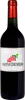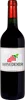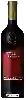
Winery MarramieroLivia Vino Cotto
 Red wine


In the mouth this red wine is a powerful.
This wine generally goes well with poultry, beef or veal.
Taste structure of the Livia Vino Cotto from the Winery Marramiero
Light | Bold | |
Smooth | Tannic | |
Dry | Sweet | |
Soft | Acidic |
In the mouth the Livia Vino Cotto of Winery Marramiero in the region of Abruzzo is a powerful.
Food and wine pairings with Livia Vino Cotto
Pairings that work perfectly with Livia Vino Cotto



Original food and wine pairings with Livia Vino Cotto

The Livia Vino Cotto of Winery Marramiero matches generally quite well with dishes of beef, pasta or veal such as recipes of beef tournedos with boursin, marco's pasta with bacon or ardéchoise fly.
Details and technical informations about Winery Marramiero's Livia Vino Cotto.
Discover the grape variety: Gringet
Gringet is an ancient grape variety. It comes from the Arve valley, in Haute Savoie. It is very similar to Savagnin. This white grape variety has small bunches. Its berries are small, round and have a yellow-green skin that turns golden yellow when ripe. Generally, the gringet opens 10 days after the chasselas. Its production remains reasonable. Due to its drooping growth habit, it is recommended that this variety be trained and pruned short, as it is very sensitive to mildew and also fears erinosis and powdery mildew. It is one of those grape varieties that have an average second ripening period. It produces a wine that is light and lively at the same time, with some floral notes. It can also be used to make sparkling or semi-sparkling wines.
Last vintages of this wine

The best vintages of Livia Vino Cotto from Winery Marramiero are 0, 2014
Informations about the Winery Marramiero
The Winery Marramiero is one of of the world's great estates. It offers 23 wines for sale in the of Abruzzo to come and discover on site or to buy online.

The wine region of Abruzzo
Abruzzo is an Italian wine region located on the eastern (Adriatic) coast. Its immediate neighbors in CentralItaly are Marche to the North, Lazio to the west and southwest and Molise to the southeast. Abruzzo has one DOCG - Montepulciano d'Abruzzo Colline Teramane - and three DOC wine appellations. The reds and Cerasuolo d'Abruzzo and Montepulciano d'Abruzzo, as well as the white wine appellation Trebbiano d'Abruzzo are the most notable, followed by the lesser-known Controguerra.
The word of the wine: Filling
Gentle transfer from one barrel to another to oxygenate the wine, eliminate some of the lees and reduce the carbon dioxide (fizz) that was released during the fermentations.