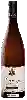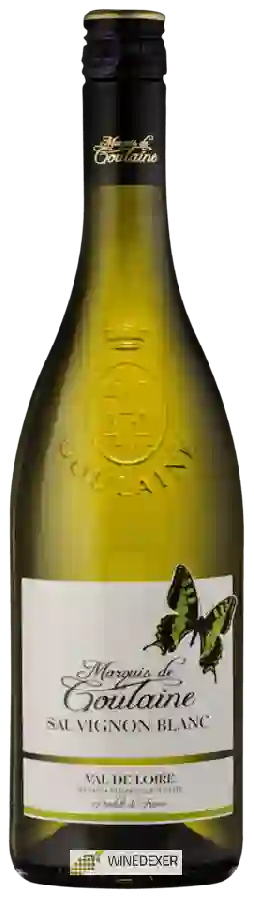
Winery Marquis de GoulaineSauvignon
 White wine



This wine generally goes well with vegetarian, rich fish (salmon, tuna etc) or shellfish.

Wine flavors and olphactive analysis


On the nose the Sauvignon of Winery Marquis de Goulaine in the region of Loire Valley often reveals types of flavors of apples, green apple or passion fruit and sometimes also flavors of mango, earth or tree fruit.
Food and wine pairings with Sauvignon
Pairings that work perfectly with Sauvignon



Original food and wine pairings with Sauvignon
The Sauvignon of Winery Marquis de Goulaine matches generally quite well with dishes of rich fish (salmon, tuna etc), shellfish or vegetarian such as recipes of pan-fried salmon papillote, cuttlefish a la plancha or summer tuna quiche.
Details and technical informations about Winery Marquis de Goulaine's Sauvignon.
Discover the grape variety: Noual
Simple, fresh dry whites with a pale golden colour, supple palate with moderate acidity, showing undemonstrative aromas of citrus and white flowers. Discreet rustic profile. Almost extinct, preserved in INRAE varietal collections for its heritage value, a witness to the pre-phylloxera ampelographic diversity of the South-West and part of the heritage varieties under study. Rare French white variety, formerly grown in the South-West.
Last vintages of this wine
The best vintages of Sauvignon from Winery Marquis de Goulaine are 2017, 2019, 2015, 2018 and 2016.
Informations about the Winery Marquis de Goulaine
The Winery Marquis de Goulaine is one of of the world's greatest estates. It offers 32 wines for sale in the of Loire Valley to come and discover on site or to buy online.

The wine region of Loire Valley
Kingdom of lively, dry whites and fine sparklers. Mineral, taut Sauvignon Blanc (Sancerre, Pouilly-Fumé) with citrus and gunflint notes. Multiform Chenin Blanc (Vouvray, Savennières, Layon): straight dry, floral off-dry or noble sweet honey-quince. Saline, iodised Muscadet (Melon B.
The word of the wine: Stopper (taste of)
A defect in the wine reminiscent of the smell and taste of mouldy cork.