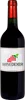
Cave du MarmandaisCuvée Guiraudou
 Red wine
This wine generally goes well with poultry, beef or mature and hard cheese.

Food and wine pairings with Cuvée Guiraudou
Pairings that work perfectly with Cuvée Guiraudou



Original food and wine pairings with Cuvée Guiraudou

The Cuvée Guiraudou of Cave du Marmandais matches generally quite well with dishes of beef, lamb or poultry such as recipes of harira de mamie (moroccan soup), lamb tagine with apricots or chicken fillets with mustard and cream.
Details and technical informations about Cave du Marmandais's Cuvée Guiraudou.
Discover the grape variety: Malbec
Deep, velvety reds with an intense purple colour, showing aromas of blackberry, black plum, violet, cocoa and gentle spice. Round tannins, fleshy palate, peppery length. Star of Cahors AOC (Côt, Auxerrois) in France and the absolute signature of Mendoza, Argentina (Uco Valley, Luján de Cuyo). A French South-West variety that became the Argentine emblem after its post-phylloxera decline.
Informations about the Cave du Marmandais
The Cave du Marmandais is one of wineries to follow in Côtes du Marmandais.. It offers 172 wines for sale in the of Côtes du Marmandais to come and discover on site or to buy online.

The wine region of Côtes du Marmandais
Sud-Ouest AOC on both banks of the Garonne, Bordeaux-Toulouse confluence. Oceanic climate, clay-limestone and gravel slopes. Signature Abouriou as native early-ripening variety saved after phylloxera: coloured and fruity reds with cherry, raspberry, blackberry, violet and spice, fine tannins. Blended with supple Merlot, firm Cabernet, dense Malbec and peppery Syrah.
The wine region of South West
French mosaic of strong identities south of Bordeaux. Cahors and its Malbec ("black wine"): deep reds with notes of blackberry, plum, violet, tobacco and cocoa, firm tannins. Madiran and its dense, age-worthy Tannat. Jurançon whites: golden sweet (apricot, honey, pineapple) and lively dry from Petit Manseng.
The word of the wine: INAO glass
Glass adapted to wine tasting, created in the 1970s by the Institut national des appellations d'origine. At the time, it had the advantage of offering a standardised tool to all tasters. It is characterized by a wide base that allows for good ventilation and a narrow mouth (opening of the glass) to concentrate the aromas. Many high-performance glasses have been created based on this model.