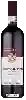
Winery Marletta TeresaAfilani Cesanese del Piglio
 Unknow wine



This wine generally goes well with
The Afilani Cesanese del Piglio of the Winery Marletta Teresa is in the top 10 of wines of Cesanese del Piglio.
Details and technical informations about Winery Marletta Teresa's Afilani Cesanese del Piglio.
Discover the grape variety: Epinou
A very old wine grape variety from the Auvergne vineyards. Today, it is practically no longer multiplied.
Last vintages of this wine
The best vintages of Afilani Cesanese del Piglio from Winery Marletta Teresa are 2015, 0
Informations about the Winery Marletta Teresa
The Winery Marletta Teresa is one of of the world's greatest estates. It offers 3 wines for sale in the of Cesanese del Piglio to come and discover on site or to buy online.

The wine region of Cesanese del Piglio
The wine region of Cesanese del Piglio is located in the region of Latium of Italy. Wineries and vineyards like the Domaine Costa Graia or the Domaine Pileum produce mainly wines red and unknow. The most planted grape varieties in the region of Cesanese del Piglio are Sangiovese, they are then used in wines in blends or as a single variety. On the nose of Cesanese del Piglio often reveals types of flavors of oak, spices or red fruit and sometimes also flavors of black fruit, non oak or earth.
The wine region of Lazio
Lazio is a region in CentralItaly, where the ancient capital of Rome is located. The region's reputation is based primarily on its white wines, the main varieties of which are Trebbiano, Malvasia di Candia and Malvasia Puntinata. Traditionally, these wines were fat, Round, abboccato and intended for immediate consumption. Today, the styles are lighter, drier and crisper thanks to modern winemaking methods.
The word of the wine: Tries (harvest by)
Harvesting in several successive passages to harvest at their optimal concentration the grapes affected by noble rot. They allow the production of great sweet wines.