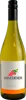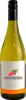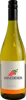
Winery MarenthiaBlanco Joven
 White wine



This wine generally goes well with
The Blanco Joven of the Winery Marenthia is in the top 70 of wines of Condado de Huelva.

Details and technical informations about Winery Marenthia's Blanco Joven.
Discover the grape variety: Heroldrebe
Light, fruity reds with intense ruby colour, silky tannins and a supple palate, showing simple aromas of red fruits (cherry, raspberry), plum, soft spices and floral notes. A thirst-quenching style to drink young. Now marginal in Germany, preserved for its genetic value in varietal collections and as a parent of Dornfelder (with Helfensteiner). German variety created in 1929 at Weinsberg (Portugieser × Blaufränkisch).
Last vintages of this wine
The best vintages of Blanco Joven from Winery Marenthia are 0
Informations about the Winery Marenthia
The Winery Marenthia is one of of the world's greatest estates. It offers 4 wines for sale in the of Condado de Huelva to come and discover on site or to buy online.

The wine region of Condado de Huelva
Andalusian DO on the Atlantic coast near Portugal (~5,500 ha), sandy soils, warm dry Atlantic-Mediterranean climate. Zalema signature white (86% of vineyard, indigenous): lively and floral with notes of citrus, green apple, white flowers, herbs and an Atlantic saline touch, thirst-quenching and low alcohol. Palomino Fino, Listan de Huelva, Garrido Fino complement. Vinos generosos oloroso style (nuts, caramel) and celebrated bitter-orange Vino Naranja.
The wine region of Andalousie
Dry, sun-baked southern Spain, world cradle of fortified and oxidative wines. Sherry from Jerez is the signature: Palomino Fino under a veil of flor yields lively, saline Fino with signature notes of almond, yeast, green apple and a sharp iodine edge; more maritime Manzanilla (Sanlúcar); unveiled Oloroso in grand oxidation (walnut, caramel, tobacco). Pedro Ximénez from Montilla-Moriles: intense dark sweet (fig, raisin, coffee, molasses). Also muscat Málaga.
The word of the wine: Faded
Said of a wine that has lost its brilliance and depth. It can also be used to describe the nose of an old wine that has lost its aromatic freshness.