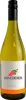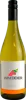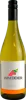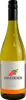
Winery MaremmaltaCasa Rizzi Ansonica
 White wine



In the mouth this white wine is a with a nice freshness.
This wine generally goes well with vegetarian, appetizers and snacks or lean fish.
Taste structure of the Casa Rizzi Ansonica from the Winery Maremmalta
Light | Bold | |
Smooth | Tannic | |
Dry | Sweet | |
Soft | Acidic |
In the mouth the Casa Rizzi Ansonica of Winery Maremmalta in the region of Tuscany is a with a nice freshness.
Food and wine pairings with Casa Rizzi Ansonica
Pairings that work perfectly with Casa Rizzi Ansonica



Original food and wine pairings with Casa Rizzi Ansonica


The Casa Rizzi Ansonica of Winery Maremmalta matches generally quite well with dishes of pasta, vegetarian or appetizers and snacks such as recipes of pasta with tuna and laughing cow, tuna, pepper and tomato quiche or parmesan and poppy seed tuiles (5th meeting).
Details and technical informations about Winery Maremmalta's Casa Rizzi Ansonica.
Discover the grape variety: Madeleine royale
Variety obtained in 1845 by the Moreau-Robert company by crossing the frankenthal noir with the pinot blanc. It has not been propagated for a long time, which means that it is now in danger of disappearing. It is, however, listed in the Official Catalogue of Table Grape Varieties, list A1. - Synonym: Madeleine impériale, plant du caporal (all the synonyms of the grape varieties, click here!).
Last vintages of this wine
The best vintages of Casa Rizzi Ansonica from Winery Maremmalta are 0
Informations about the Winery Maremmalta
The Winery Maremmalta is one of of the world's great estates. It offers 18 wines for sale in the of Tuscany to come and discover on site or to buy online.

The wine region of Tuscany
Tuscany is one of the most famous and prolific wine regions in Europe. It is best known for its Dry red wines made from Sangiovese grapes, which dominate production. These include Chianti, Brunello di Montalcino and Vino Nobile di Montepulciano. The region's Vin Santo is also highly prized, as are its passito dessert wines, though these are produced in comparatively tiny quantities.
The word of the wine: Erinosis
Generally benign condition caused by a very small mite. The infested leaves show blisters on the upper surface, sometimes reddish, sometimes green, to which corresponds on the lower surface a dense felting, first pinkish white, then brownish or reddish.