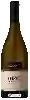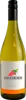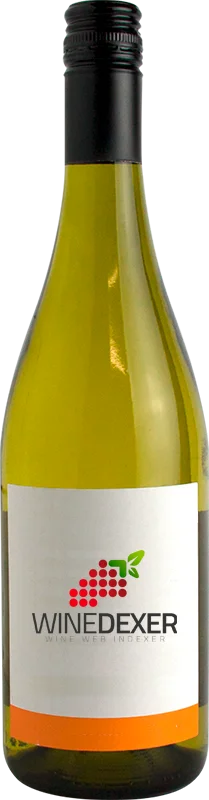
Winery Maorלבן גבעת אורחה (Guest Hill White)
 White wine
This wine generally goes well with vegetarian, poultry or rich fish (salmon, tuna etc).
The לבן גבעת אורחה (Guest Hill White) of the Winery Maor is in the top 80 of wines of Galilee.
Food and wine pairings with לבן גבעת אורחה (Guest Hill White)
Pairings that work perfectly with לבן גבעת אורחה (Guest Hill White)



Original food and wine pairings with לבן גבעת אורחה (Guest Hill White)


The לבן גבעת אורחה (Guest Hill White) of Winery Maor matches generally quite well with dishes of rich fish (salmon, tuna etc), shellfish or sweet desserts such as recipes of pasta gratin, linguine with squid ink and cockles or birthday cake.
Details and technical informations about Winery Maor's לבן גבעת אורחה (Guest Hill White).
Discover the grape variety: Florental
Florental noir is a grape variety that originated in . This variety is the result of a cross between the same species (interspecific hybridization). It produces a variety of grape specially used for wine making. It is rare to find this grape for eating on our tables. The Florental noir is found in the vineyards of the Rhône Valley.
Informations about the Winery Maor
The Winery Maor is one of of the world's greatest estates. It offers 8 wines for sale in the of Galilee to come and discover on site or to buy online.

The wine region of Galilee
Galilee is an administrative and wine region in Northern Israel. Its name is perhaps most widely recognized in the context of Lake Galilee, via its associations with the Bible, but it is now steadily becoming known as a wine region. 'Water into wine' is not a New theme for the Galilee region as the story of the wedding at Cana, in which Jesus turns water into wine, is widely thought to have its origins here. The Galilee (Galil in Hebrew) is located in the northern most reach of the couunty, with Golan Heights to the east and the Coastal Plains to the west.
The word of the wine: Maturing (champagne)
After riddling, the bottles are stored on "point", upside down, with the neck of one bottle in the bottom of the other. The duration of this maturation is very important: in contact with the dead yeasts, the wine takes on subtle aromas and gains in roundness and fatness. A brut without year must remain at least 15 months in the cellar after bottling, a vintage 36 months.