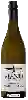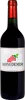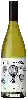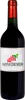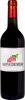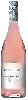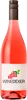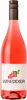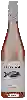
Winery ManuRosé
 Pink wine
This wine generally goes well with beef, rich fish (salmon, tuna etc) or shellfish.

Food and wine pairings with Rosé
Pairings that work perfectly with Rosé



Original food and wine pairings with Rosé



The Rosé of Winery Manu matches generally quite well with dishes of beef, lamb or rich fish (salmon, tuna etc) such as recipes of beef fillet in a crust, leg of lamb with herb stuffing or cod and potato gratin.
Details and technical informations about Winery Manu's Rosé.
Discover the grape variety: Pinot gris
Rich, ample whites with a golden robe, showing aromas of pear, quince, honey, smoke, ginger and spice. Made as structured dry wines (Alsace AOC), off-dry and sumptuous late-harvest sweet (vendange tardive, sélection de grains nobles). Lighter and crisper in Italy as Pinot Grigio (Veneto, Friuli). Also in Germany (Grauburgunder), Hungary (Szürkebarát) and Oregon. A grey mutation of Pinot Noir.
Informations about the Winery Manu
The Winery Manu is one of of the world's greatest estates. It offers 6 wines for sale in the of Marlborough to come and discover on site or to buy online.

The wine region of Marlborough
World reference for Sauvignon Blanc: aromatic, exuberant whites with signature notes of passion fruit, gooseberry, grapefruit and cut grass, sharp lively acidity and an iodised finish. King grape on 71% of the vineyard since 1972. Also fine, silky Pinot Noir (cherry, plum, spice), taut Chardonnay and lively Riesling. Traditional-method sparklers on the rise.
The wine region of South Island
New Zealand's southern island, cradle of the country's great wines. Sauvignon Blanc signature in Marlborough (~80% of national vineyard): explosive and tropical with grapefruit, passion fruit, boxwood, cut grass and mineral touch — global benchmark. Pinot Noir star in Central Otago (among the most southerly) and Waipara: airy with cherry, raspberry, undergrowth, thyme. Taut Riesling, precise Chardonnay, floral Pinot Gris.
The word of the wine: Erinosis
Generally benign condition caused by a very small mite. The infested leaves show blisters on the upper surface, sometimes reddish, sometimes green, to which corresponds on the lower surface a dense felting, first pinkish white, then brownish or reddish.