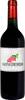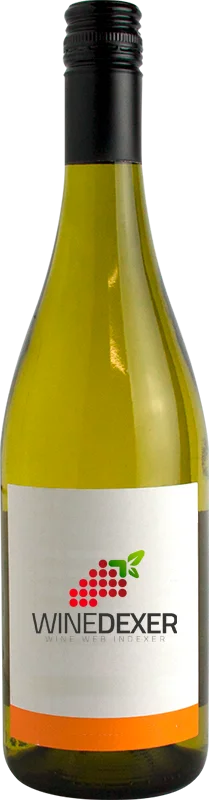
Winery Cantina di FaenzaManfredo Cagnina Romagna Dolce
 Sweet wine


This wine generally goes well with

Details and technical informations about Winery Cantina di Faenza's Manfredo Cagnina Romagna Dolce.
Discover the grape variety: Muscat Hamburg
Aromatic sweet and liqueur reds with a garnet ruby hue, ample and fragrant palate; powerful muscat signature aromas of rose, red fruits (cherry, raspberry), exotic fruits and honey. Also a prized table grape exported worldwide for its appearance and muscat flavour. Synonym for Muscat of Hamburg, a black aromatic variety bred in England in 1837 (Muscat of Alexandria × Schiava Grossa).
Last vintages of this wine
The best vintages of Manfredo Cagnina Romagna Dolce from Winery Cantina di Faenza are 0, 2012
Informations about the Winery Cantina di Faenza
The Winery Cantina di Faenza is one of of the world's greatest estates. It offers 10 wines for sale in the of Romagna to come and discover on site or to buy online.

The wine region of Romagna
Eastern part of Emilia-Romagna on the Adriatic. Sangiovese signature in red: Romagnola version more supple and fruity than in Tuscany, with signature notes of red cherry, raspberry, plum, violet, Mediterranean herbs and a spicy touch, fine tannins and gourmand palate — sublimated in DOCG Sangiovese Superiore. Albana as star white (Italy's 1st white DOCG) ample (pear, honey). Straight Trebbiano, floral Pagadebit, sweet Cagnina.
The wine region of Emilia-Romagna
Kingdom of Lambrusco: fresh, fruity sparkling reds (blackberry, cherry, violet), from gourmet dry to convivial off-dry, perfect with local charcuterie. World's best-selling sparkling wine on the Emilia side (Sorbara, Grasparossa, Salamino). East, Romagna: supple fruity Sangiovese, Albana (Italy's 1st white DOCG, 1987) ample and almondy. Also red Gutturnio and white Pignoletto.
The word of the wine: Serious
A Bordeaux term for small pebbles from the Pyrenees, eroded, rounded and transported by the Garonne to Aquitaine. They are mainly found on the left bank in the area.... known as the Graves, and further downstream in the Médoc. By extension, gravel is found in other regions, brought by other rivers or even glaciers.