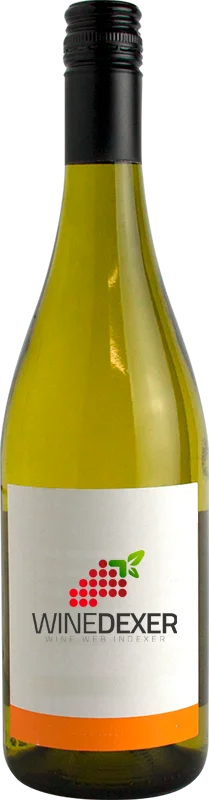
Winery MallorioTrebbiano
 White wine



This wine generally goes well with vegetarian, appetizers and snacks or lean fish.

Food and wine pairings with Trebbiano
Pairings that work perfectly with Trebbiano



Original food and wine pairings with Trebbiano


The Trebbiano of Winery Mallorio matches generally quite well with dishes of vegetarian, pasta or appetizers and snacks such as recipes of quiche without pastry, courgette and blue cheese, pasta with ham or bacon-gruyere-tomato cake.
Details and technical informations about Winery Mallorio's Trebbiano.
Discover the grape variety: Trebbiano
Fresh, thirst-quenching dry whites with a pale robe, a supple palate and preserved acidity of simple citrus (lemon), green apple, white flowers and neutral notes. A light profile to drink young. A family with several varieties (Toscano, Romagnolo, d'Abruzzo, Giallo), pillar of everyday Italian whites (Orvieto DOC, Frascati DOC, Trebbiano d'Abruzzo DOC). Exported to France as ugni blanc for Cognac and Armagnac distillation.
Last vintages of this wine
The best vintages of Trebbiano from Winery Mallorio are 0
Informations about the Winery Mallorio
The Winery Mallorio is one of of the world's greatest estates. It offers 8 wines for sale in the of Trebbiano d'Abruzzo to come and discover on site or to buy online.

The wine region of Trebbiano d'Abruzzo
Abruzzo DOC, exclusively white over 10,000+ ha, one of the great underrated Italian whites. Trebbiano d'Abruzzo (in fact local Bombino Bianco) as king grape: fresh, precise whites with signature citrus, green apple, white flowers, fresh almond and a mineral touch, taut and thirst-quenching palate — from gourmand everyday to ageworthy cuvées signed by great producers. Trebbiano Toscano possible. Hills (max.
The wine region of Abruzzo
Accessible, identity-driven Italian duo. Montepulciano d'Abruzzo as red: deep colour, intense aromas of black cherry, ripe plum, sweet spices and balsamic notes, round tannins and a gourmet finish, from everyday to age-worthy Riserva. Cerasuolo d'Abruzzo DOCG as a fleshy, fruity rosé (strawberry, pomegranate). Trebbiano d'Abruzzo as a straight white with citrus and white flowers, sublimated by a few cult producers (Valentini).
The word of the wine: Bâtonnage
A very old technique that has come back into fashion in modern oenology, which consists of shaking the white wine in the barrels at the end of fermentation, or after fermentation, with a stick or a flail, in order to suspend the fine lees composed of yeasts at the end of their activity. This process is sometimes used for red wines.