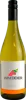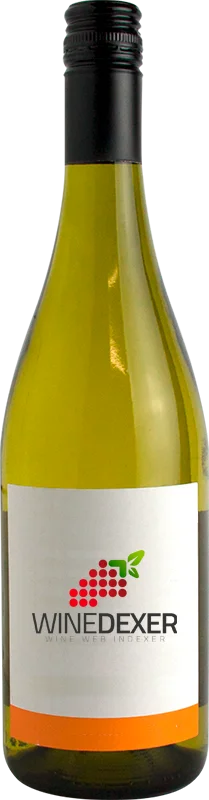
Maisons BruléesDernier Né Blanc
 White wine
In the mouth this white wine is a .
This wine generally goes well with vegetarian, rich fish (salmon, tuna etc) or shellfish.

Taste structure of the Dernier Né Blanc from the Maisons Brulées
Light | Bold | |
Dry | Sweet | |
Soft | Acidic |
In the mouth the Dernier Né Blanc of Maisons Brulées in the region of Vin de France is a .
Food and wine pairings with Dernier Né Blanc
Pairings that work perfectly with Dernier Né Blanc



Original food and wine pairings with Dernier Né Blanc
The Dernier Né Blanc of Maisons Brulées matches generally quite well with dishes such as recipes .
Details and technical informations about Maisons Brulées's Dernier Né Blanc.
Discover the grape variety: Sauvignon
Rich, aromatic whites with a fuller mouth than Sauvignon Blanc and softer acidity, featuring aromas of yellow peach, melon, passion fruit, ripe citrus and delicate spicy notes. A grey-skinned mutation of Sauvignon Blanc, made as a rare single variety in Bordeaux (Pessac-Léognan, Graves), the Loire and Chile where it is experiencing a fine qualitative revival. Adds roundness to dry Bordeaux blends. French grape.
Informations about the Maisons Brulées
The Maisons Brulées is one of of the world's great estates. It offers 29 wines for sale in the of Vin de France to come and discover on site or to buy online.

The wine region of Vin de France
The freest category of French wine, the playground of winemakers working outside the AOC. All styles combined: fruity reds, lively or ambitious whites, everyday rosés, unusual blends, natural wines, atypical grapes (Petit Manseng in Languedoc, Riesling in Provence), experimental winemaking (skin-contact whites, no sulphur). Grape and vintage labelling allowed, no geographic constraint. From the pop, convivial cuvée to the artisan gem: freedom in a bottle.
The word of the wine: Courgée
Name of the fruiting branch left after pruning and which is then arched along the trellis in the Jura (in the Mâconnais, it is called the tail).