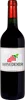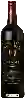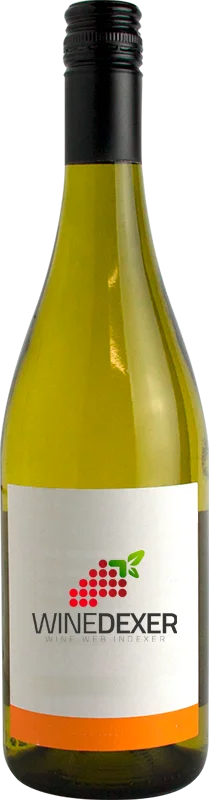
Château Maison BlancheBordeaux Blanc
 White wine


In the mouth this white wine is a powerful.
This wine generally goes well with pork, vegetarian or poultry.

Taste structure of the Bordeaux Blanc from the Château Maison Blanche
Light | Bold | |
Dry | Sweet | |
Soft | Acidic |
In the mouth the Bordeaux Blanc of Château Maison Blanche in the region of Bordeaux is a powerful.
Wine flavors and olphactive analysis



On the nose the Bordeaux Blanc of Château Maison Blanche in the region of Bordeaux often reveals types of flavors of cherry, red fruit.
Food and wine pairings with Bordeaux Blanc
Pairings that work perfectly with Bordeaux Blanc



Original food and wine pairings with Bordeaux Blanc


The Bordeaux Blanc of Château Maison Blanche matches generally quite well with dishes of pork, vegetarian or poultry such as recipes of special' tagliatelle carbonara, vegan leek and tofu quiche or traditional tunisian couscous.
Details and technical informations about Château Maison Blanche's Bordeaux Blanc.
Discover the grape variety: Sulima
Simple, fresh grey-white wines with a pale golden to rosé colour, supple palate with moderate acidity, undemonstrative aromas of citrus and white flowers. Rustic, discreet profile. Preserved in a few ampelographic collections for its heritage value, belongs to the old varieties whose commercial diffusion has almost disappeared and studied for their genetic interest. Rare grey variety, poorly documented, grown in tiny quantities.
Last vintages of this wine

The best vintages of Bordeaux Blanc from Château Maison Blanche are 2009, 2018, 2010, 2016 and 2015.
Informations about the Château Maison Blanche
The Château Maison Blanche is one of of the world's greatest estates. It offers 12 wines for sale in the of Bordeaux to come and discover on site or to buy online.

The wine region of Bordeaux
World-renowned age-worthy reds, led by round Merlot (plum, black fruit) or firm Cabernet Sauvignon (blackcurrant, cedar, graphite), blended with Cabernet Franc and Petit Verdot for tannic structure. Structured Médoc and Graves, velvety Saint-Émilion and Pomerol. Also crisp dry whites (Sauvignon/Sémillon) and opulent sweet Sauternes with honey and candied fruit. A 110,000 ha Gironde vineyard, 65 appellations, cradle of the 1855 classified growths.
The word of the wine: Food and wine pairing
It is the set of techniques that allow for the pleasant combination of food and wine. Food and wine pairing is based on a few basic principles, such as similarity, complementarity or contrast, and involves all the elements that make up the wine and the food (flavours, textures, aromas, etc.).