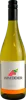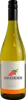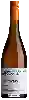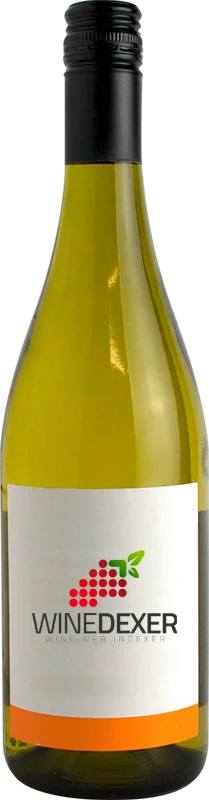
Winery MagulaVeltlínske Zelené
 White wine



This wine generally goes well with pork, vegetarian or lean fish.
Wine flavors and olphactive analysis

Food and wine pairings with Veltlínske Zelené
Pairings that work perfectly with Veltlínske Zelené



Original food and wine pairings with Veltlínske Zelené



The Veltlínske Zelené of Winery Magula matches generally quite well with dishes of pork, rich fish (salmon, tuna etc) or shellfish such as recipes of vegetable planter, half-cooked bluefin tuna or blanquette of monkfish and scallops.
Details and technical informations about Winery Magula's Veltlínske Zelené.
Discover the grape variety: Folignan
Folignan blanc is a grape variety that originated in France (Languedoc). It produces a variety of grape specially used for wine making. It is rare to find this grape to eat on our tables. It should be noted that this variety can also be used for the elaboration of eaux de vie. Folignan blanc can be found cultivated in the following vineyards: South-West, Cognac, Bordeaux, Provence & Corsica, Rhone Valley.
Last vintages of this wine
The best vintages of Veltlínske Zelené from Winery Magula are 2016, 0
Informations about the Winery Magula
The Winery Magula is one of of the world's great estates. It offers 15 wines for sale in the of Slovakia to come and discover on site or to buy online.

The wine region of Slovakia
Slovakia (officially The Slovak Republic) is a landlocked country described as being either at the eastern edge of Western Europe, or the western edge of Eastern Europe. This dichotomy reflects the state's recent history, a story of political unrest common in this region. The lands that are now Slovakia were an integral Part of Hungary for almost 900 years, but became independent when the Austro-Hungarian Empire was dismantled after the First World War. Almost immediately, Slovakia aligned itself with Bohemia and Moravia (the modern-day Czech Republic), Silesia and Carpathian Ruthenia to form Czechoslovakia.
The word of the wine: Second fermentation
In the making of champagne, fermentation of the base wine to which is added the liqueur de tirage and which takes place in the bottle. This second fermentation produces the carbon dioxide, and therefore the bubbles that make up the effervescence of the wine.