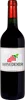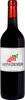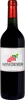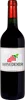
Winery MadrigalLa Vida Rosa Dry Rosé
 Pink wine



This wine generally goes well with
Wine flavors and olphactive analysis

On the nose the La Vida Rosa Dry Rosé of Winery Madrigal in the region of California often reveals types of flavors of tree fruit, red fruit.
Details and technical informations about Winery Madrigal's La Vida Rosa Dry Rosé.
Discover the grape variety: Pinot
Pinot blanc is a grape variety that originated in France (Burgundy). It produces a variety of grape specially used for wine making. It is rare to find this grape to eat on our tables. This variety of grape is characterized by small to medium sized bunches, and small to medium sized grapes. Pinot Blanc can be found in many vineyards: Alsace, South-West, Cognac, Bordeaux, Burgundy, Loire Valley, Champagne, Languedoc & Roussillon, Lorraine, Jura, Beaujolais, Rhone Valley, Provence & Corsica, Savoie & Bugey.
Last vintages of this wine
The best vintages of La Vida Rosa Dry Rosé from Winery Madrigal are 2017, 0, 2019
Informations about the Winery Madrigal
The Winery Madrigal is one of of the world's great estates. It offers 26 wines for sale in the of Calistoga to come and discover on site or to buy online.

The wine region of Calistoga
The wine region of Calistoga is located in the region of Napa Valley of California of United States. Wineries and vineyards like the Domaine Venge Vineyards or the Domaine Maybach Family Vineyards produce mainly wines red, white and pink. The most planted grape varieties in the region of Calistoga are Cabernet-Sauvignon, Cabernet franc and Zinfandel, they are then used in wines in blends or as a single variety. On the nose of Calistoga often reveals types of flavors of earth, graphite or allspice and sometimes also flavors of star anise, black plum or orange peel.
The wine region of California
California is the largest and most important wine region in the United States. It represents the southern two-thirds (850 miles or 1,370 kilometers) of the country's west coast. (Oregon and Washington make up the rest. ) The state also spans nearly 10 degrees of latitude.
The word of the wine: INAO glass
Glass adapted to wine tasting, created in the 1970s by the Institut national des appellations d'origine. At the time, it had the advantage of offering a standardised tool to all tasters. It is characterized by a wide base that allows for good ventilation and a narrow mouth (opening of the glass) to concentrate the aromas. Many high-performance glasses have been created based on this model.