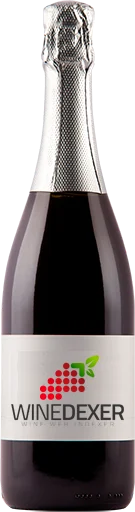
Winery Madeddu BosaMalvasia di Bosa Demi Sec
 Sparkling wine



This wine generally goes well with
The Malvasia di Bosa Demi Sec of the Winery Madeddu Bosa is in the top 5 of wines of Malvasia di Bosa.

Details and technical informations about Winery Madeddu Bosa's Malvasia di Bosa Demi Sec.
Discover the grape variety: Bombino nero
Light, fruity reds and vivid, thirst-quenching rosés with a clear ruby to salmon robe, supple tannins and an airy palate on red fruit (cherry, strawberry, raspberry) and floral notes. Star of the Castel del Monte Bombino Nero DOCG — the first Italian rosé to earn the designation — grown mainly in the province of Bari. Black variety from Puglia in southern Italy.
Last vintages of this wine
The best vintages of Malvasia di Bosa Demi Sec from Winery Madeddu Bosa are 0
Informations about the Winery Madeddu Bosa
The Winery Madeddu Bosa is one of of the world's greatest estates. It offers 5 wines for sale in the of Malvasia di Bosa to come and discover on site or to buy online.

The wine region of Malvasia di Bosa
Micro-confidential DOC of Sardinia (8 ha around Bosa, west coast of Oristano), limestone terroirs under dry climate. Autochthonous Malvasia di Sardegna (≥95%) as white signature — elegant oxidative style with intense notes of roasted almond, hazelnut, dried apricot, honey, candied citrus and a saline-iodine touch; sublimated as a legendary sweet passito or an exceptional dry sherry-like. Rare meditation wine, the rarest Sardinian white. Historic figure: Giovanni Battista Columbu.
The wine region of Sardinia
Italian Mediterranean wine island with 250+ varieties, strong native identity. Signature Cannonau (Grenache) in red: warm and deep with signature ripe cherry, garrigue, myrtle, spice and a balsamic touch, round tannins and a sun-drenched palate. Vermentino di Gallura DOCG star white (80% of Italian Vermentino): fresh and saline (citrus, pear, almond, sea iodine). Also dense Carignan, supple Monica, lively Nuragus, rare oxidative Vernaccia di Oristano.
The word of the wine: Presses
The juice that results from pressing the grapes after fermentation. At the end of the maceration, the vats are emptied, the first juice obtained is called the free-run wine and the marc remaining at the bottom of the vat is then pressed to give the press wine. We say more quickly "the presses". Their quality varies according to the vintage and the maceration. A too vigorous extraction releases the tannins of pips and the wine of press can then prove to be very astringent. Often the winemaker raises it separately, deciding later whether or not to incorporate it totally or partially into the grand vin.