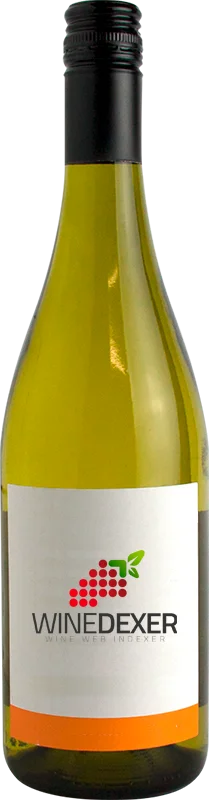
Winery MachiTorrontes
 White wine


In the mouth this white wine is a powerful with a nice freshness.
This wine generally goes well with vegetarian, spicy food or aperitif.
Taste structure of the Torrontes from the Winery Machi
Light | Bold | |
Dry | Sweet | |
Soft | Acidic |
In the mouth the Torrontes of Winery Machi in the region of Salta is a powerful with a nice freshness.
Wine flavors and olphactive analysis

On the nose the Torrontes of Winery Machi in the region of Salta often reveals types of flavors of earth, tree fruit or citrus fruit and sometimes also flavors of tropical fruit.
Food and wine pairings with Torrontes
Pairings that work perfectly with Torrontes



Original food and wine pairings with Torrontes
The Torrontes of Winery Machi matches generally quite well with dishes of spicy food, vegetarian or aperitif such as recipes of moroccan veal tagine from hanane, magic cake cheese quiche or tuna rillettes.
Details and technical informations about Winery Machi's Torrontes.
Discover the grape variety: Regent
A complex interspecific cross between the diana (sylvaner x Müller-Thurgau) and the chambourcin obtained in Germany in 1967 by Gerhardt Alleweldt. It can be found in Quebec (Canada), Belgium and Switzerland, but is little known in France. It should be noted that Regent, a monogenic variety, which is nevertheless resistant to certain cryptogamic diseases, was "bypassed" in 2010 by a less resistant strain of mildew, which was also the case for bianca.
Last vintages of this wine
The best vintages of Torrontes from Winery Machi are 2012, 0
Informations about the Winery Machi
The Winery Machi is one of of the world's greatest estates. It offers 2 wines for sale in the of Salta to come and discover on site or to buy online.

The wine region of Salta
Salta, in the far North of Argentina, is home to some of the world's most extreme Vineyard sites. As is the case in Catamarca to the South and Jujuy to the northwest, Salta's vineyards are often located amid mountainous terrain with some reaching altitudes of just over 3,000 meters (9840ft) above sea level. The viticultural area is mainly concentrated to Cafayate of the Calchaqui Valley. Argentina's signature Grape varieties of Torrontes and Malbec are Salta's top performers, producing Bright, intensely flavored wines.
The word of the wine: Saignée (rosé de)
Rosé wine made from a vat of black grapes after a short maceration period.