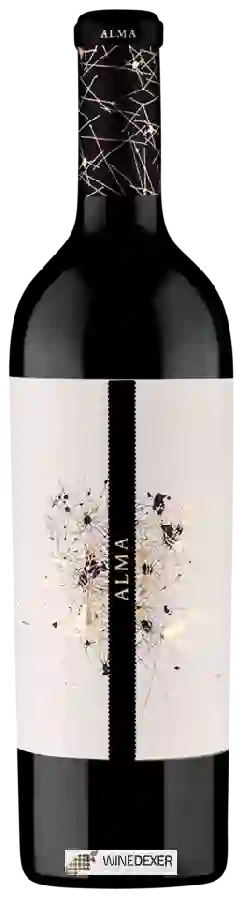
Winery LuzonAlma de Luzón
 Red wine


In the mouth this red wine is a powerful with a nice balance between acidity and tannins.
This wine generally goes well with poultry, beef or veal.
The Alma de Luzón of the Winery Luzon is in the top 10 of wines of Jumilla.

Taste structure of the Alma de Luzón from the Winery Luzon
Light | Bold | |
Smooth | Tannic | |
Dry | Sweet | |
Soft | Acidic |
In the mouth the Alma de Luzón of Winery Luzon in the region of Murcie is a powerful with a nice balance between acidity and tannins.
Wine flavors and olphactive analysis





On the nose the Alma de Luzón of Winery Luzon in the region of Murcie often reveals types of flavors of non oak, earth or oak and sometimes also flavors of spices, red fruit or black fruit.
Food and wine pairings with Alma de Luzón
Pairings that work perfectly with Alma de Luzón



Original food and wine pairings with Alma de Luzón

The Alma de Luzón of Winery Luzon matches generally quite well with dishes of beef, pasta or veal such as recipes of beef tongue with pickle sauce, chinese chicken soup or milanese escalope (italy).
Details and technical informations about Winery Luzon's Alma de Luzón.
Discover the grape variety: Timorasso
Structured, complex dry whites with a pale golden robe, an ample palate and a cutting acidity, showing signature aromas of citrus (lemon, grapefruit), yellow fruits (pear, peach), white flowers, honey and hydrocarbon mineral notes (signature, aged-Riesling-like). Fine ageing and cellaring potential. The star of Colli Tortonesi DOC, a successful ampelographic revival in modern Piedmont. An indigenous Piedmontese variety rediscovered in the 1980s by Walter Massa.
Last vintages of this wine

The best vintages of Alma de Luzón from Winery Luzon are 2017, 2015, 2016, 2010 and 2013.
Informations about the Winery Luzon
The Winery Luzon is one of of the world's greatest estates. It offers 83 wines for sale in the of Jumilla to come and discover on site or to buy online.

The wine region of Jumilla
Arid south-east Spain, kingdom of Monastrell (Mourvèdre, >85% of vineyards). Powerful, sunny reds with signature notes of candied blackberry, black plum, garrigue, pepper, leather and liquorice, firm tannins and a warm palate — a world reference for the grape. Many ungrafted old vines (phylloxera spared the limestone soils). Also supple Tempranillo, peppery Syrah, round Garnacha.
The wine region of Murcie
Wine region of southeastern Spain on sunny high plateaus, 3 DOs fanning out: Jumilla, Yecla, Bullas. Monastrell (Mourvedre) reigns in red (~80% of the vineyard): dense and sunny with signature notes of black mulberry, candied black cherry, garrigue, leather, liquorice and a sweet spice touch, firm tannins and a warm palate — pomegranate robe, sustained alcohol, often own-rooted. Round Grenache, supple Tempranillo, peppery Syrah. Southern wines with outstanding value.
The word of the wine: Density per hectare
Number of vines per hectare. For the same yield, a vine planted with 3,000 vines per hectare bears many more bunches (per vine) than a vine planted with 10,000. The grapes will therefore be less rich in sugar and polyphenols (tannins, aromas...).