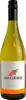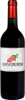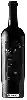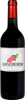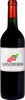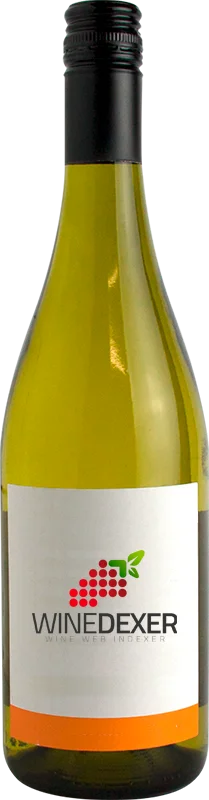
Cave de l'OrlayaPaïen de Fully
 White wine



This wine generally goes well with
Details and technical informations about Cave de l'Orlaya's Païen de Fully.
Discover the grape variety: Kyoho
Tetraploid variety, of Japanese origin, which would have been obtained in 1939 by Oinoue by crossing the ishinara wase - mutation of campbell early - by the centennial seedless. In Japan, Kyoho is a very important cultivar. It is also found in South Korea, in the Republic of China (Taiwan), in the United States (California), in Chile, in Brazil, in Australia, etc.
Last vintages of this wine
The best vintages of Païen de Fully from Cave de l'Orlaya are 2019, 0, 2018, 2017
Informations about the Cave de l'Orlaya
The Cave de l'Orlaya is one of of the world's greatest estates. It offers 28 wines for sale in the of Valais to come and discover on site or to buy online.

The wine region of Valais
The Valais is the largest wine region and appellation in Switzerland, responsible for around one third of the country's total wine production. The main Vineyard area covers the southeast-facing slopes of the dramatic Rhône river valley as the glacial waters run southwest between Leuk (Loeche in French) and Fully. The river changes direction at Martigny and then runs northwest to exit the valley and empty into Lac Léman (Lake Geneva). Vineyard area here comes to around 4,800 hectares (11,800 acres) and is generally located on (often steep) slopes and terraces between the flat, fertile, Heavy soils at the bottom of the valley - often given over to fruit production, industry and urban development - and the bare rock of the mountainside that towers above.
The word of the wine: Bitter (flavor)
A flavour generally provided in wines by polyphenols and accompanied by a sensation of pungency. In small quantities, bitterness makes you salivate, gives relief to the wine and reinforces its sapidity.