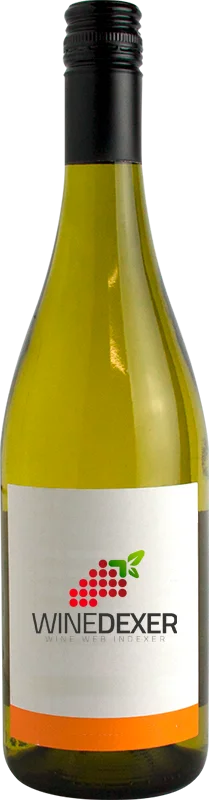
Winery Locanda Claudio de LucaLe Sorelle Trebbiano
 White wine



This wine generally goes well with pork, beef or lamb.

Food and wine pairings with Le Sorelle Trebbiano
Pairings that work perfectly with Le Sorelle Trebbiano



Original food and wine pairings with Le Sorelle Trebbiano

The Le Sorelle Trebbiano of Winery Locanda Claudio de Luca matches generally quite well with dishes of beef, lamb or pork such as recipes of beef tagine with prunes and almonds, mouse of lamb with honey and thyme or pan-fried black pudding with apples.
Details and technical informations about Winery Locanda Claudio de Luca's Le Sorelle Trebbiano.
Discover the grape variety: Alphonse Lavallée
Table grape variety with long bunches, spherical black-violet berries, thick skin and crunchy flesh, with a sweet, neutral and juicy flavour. Very rarely vinified. Grown in southern France, Italy, Spain and the Maghreb, it remains one of the most appreciated table grapes for its beautiful appearance and pleasant taste. French black table grape obtained in 1860, cross of Gros Colman × Lady Downe's Seedling.
Last vintages of this wine
The best vintages of Le Sorelle Trebbiano from Winery Locanda Claudio de Luca are 0, 2019
Informations about the Winery Locanda Claudio de Luca
The Winery Locanda Claudio de Luca is one of of the world's greatest estates. It offers 3 wines for sale in the of Vino da Tavola to come and discover on site or to buy online.

The wine region of Vino da Tavola
The freest category of Italian wine, with no grape or zone constraint. All styles: bold reds based on Bordeaux grapes (Cabernet, Merlot), atypical blends, maker's cuvées outside DOC rules. Historic cradle of the "Super Tuscans" in the 1960s-80s (Sassicaia, Tignanello, Ornellaia) before the creation of IGT in 1992. Today dedicated to everyday wines or winemaker experiments.
The word of the wine: Sorting
Action which consists in removing the bad grains, not ripe or affected by the rot. We often use vibrating sorting tables which, by shaking, make the impurities fall to the ground. In the case of sweet wines, we speak of harvesting by successive selections, in several passages, to select the very ripe grapes each time.