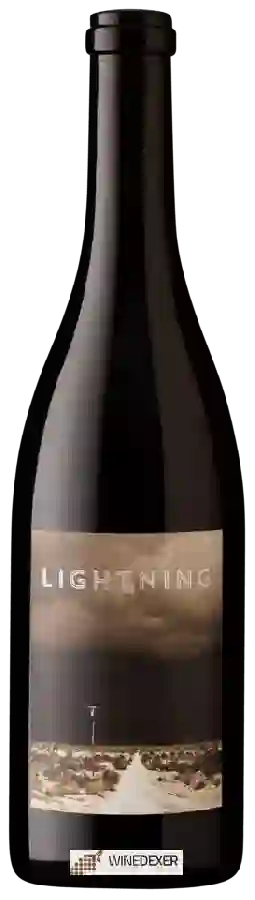
Winery LightningGrenache
 Red wine


This wine generally goes well with beef and mature and hard cheese.

Wine flavors and olphactive analysis



On the nose the Grenache of Winery Lightning in the region of California often reveals types of flavors of non oak, earth or oak and sometimes also flavors of red fruit.
Food and wine pairings with Grenache
Pairings that work perfectly with Grenache


Original food and wine pairings with Grenache
The Grenache of Winery Lightning matches generally quite well with dishes of beef or mature and hard cheese such as recipes of beef tongue in hot sauce or pasta gratin with comté cheese.
Details and technical informations about Winery Lightning's Grenache.
Discover the grape variety: Durella
Lively and structured dry whites with a pale golden robe and green highlights, a lean palate with very high acidity, showing signature aromas of citrus (lemon, grapefruit), green apple, white flowers and volcanic mineral notes. Also as taut and refreshing traditional-method sparkling wines. Star of Lessini Durello DOC, particularly suited to high-altitude sparkling wines. Native white Italian grape from Veneto, grown in the province of Verona on the Monti Lessini.
Last vintages of this wine

The best vintages of Grenache from Winery Lightning are 2015, 0, 2014
Informations about the Winery Lightning
The Winery Lightning is one of of the world's greatest estates. It offers 12 wines for sale in the of California to come and discover on site or to buy online.

The wine region of California
Powerful, sunny reds: dense Napa Cabernet Sauvignon (blackcurrant, chocolate, tobacco, ample tannins), spicy, jammy Zinfandel from the Sierra Foothills, silky red-fruited Pinot Noir on the cool coast (Sonoma, Russian River, Central Coast). Opulent, buttery Chardonnay, notes of yellow fruit and vanilla. Varied climate, from the hot interior to the Pacific-cooled coast. 80% of US production, 139 AVAs including Napa (1st AVA, 1981).
The word of the wine: Sweet
Generic term for wines containing residual sugar (natural sugars in the grapes that have not been transformed into alcohol). It is also used to describe a wine with a dominantly sweet flavour, without further explanation.