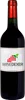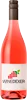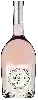
Les Vignerons du SommiéroisCinsault Rosé
 Pink wine
This wine generally goes well with vegetarian, appetizers and snacks or lean fish.
Food and wine pairings with Cinsault Rosé
Pairings that work perfectly with Cinsault Rosé



Original food and wine pairings with Cinsault Rosé


The Cinsault Rosé of Les Vignerons du Sommiérois matches generally quite well with dishes of pasta, vegetarian or appetizers and snacks such as recipes of express seafood spaghetti, magic cake cheese quiche or samossa (india).
Details and technical informations about Les Vignerons du Sommiérois's Cinsault Rosé.
Discover the grape variety: Malvoisie de l' Istrie
This grape variety is endemic to the Istrian peninsula, which is partly located in Italy, Slovenia and Croatia, where it is the leading white grape variety. In France, it is almost unknown. It is related to malvasia bianca longa, also known as malvasia del Chianti.
Informations about the Les Vignerons du Sommiérois
The Les Vignerons du Sommiérois is one of of the world's great estates. It offers 67 wines for sale in the of Pays d'Oc to come and discover on site or to buy online.

The wine region of Pays d'Oc
Pays d'Oc is the PGI for red, white and rosé wines that are produced over a wide area of the southern coast of France. The PGI catchment area corresponds roughly to the Languedoc-roussillon">Languedoc-Roussillon wine region, one of the largest wine regions in France. The area covers all wines that are not produced under the strict laws that govern AOC-level appellations in the regions: among them, Corbières, Minervois and the Languedoc appellation itself. The Pays d'Oc PGI is arguably the most important in France, producing the majority of the country's PGI wines.
The word of the wine: Maturing (champagne)
After riddling, the bottles are stored on "point", upside down, with the neck of one bottle in the bottom of the other. The duration of this maturation is very important: in contact with the dead yeasts, the wine takes on subtle aromas and gains in roundness and fatness. A brut without year must remain at least 15 months in the cellar after bottling, a vintage 36 months.