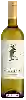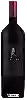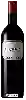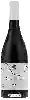
Winery Les Collines du BourdicGrenandise Rouge
 Red wine



This wine generally goes well with beef and mature and hard cheese.
Food and wine pairings with Grenandise Rouge
Pairings that work perfectly with Grenandise Rouge


Original food and wine pairings with Grenandise Rouge
The Grenandise Rouge of Winery Les Collines du Bourdic matches generally quite well with dishes of beef or mature and hard cheese such as recipes of monkfish tagine or onion and comté pie.
Details and technical informations about Winery Les Collines du Bourdic's Grenandise Rouge.
Discover the grape variety: Verdicchio blanc
This grape variety was known for a long time in the central region of Italy and is now cultivated in almost all the wine-producing regions of this country. Under the name of peverella, it can still be found in Brazil, where it has occupied large areas for a long time. In France, it is almost unknown. It would seem that it has many relatives, in particular with varieties of Italian origin, known or little known, without us being able to quote them with certainty because the doubt still remains, to be followed! The pink verdicchio exists but is not related to any of them.
Informations about the Winery Les Collines du Bourdic
The Winery Les Collines du Bourdic is one of of the world's great estates. It offers 76 wines for sale in the of Pays d'Oc to come and discover on site or to buy online.

The wine region of Pays d'Oc
Pays d'Oc is the PGI for red, white and rosé wines that are produced over a wide area of the southern coast of France. The PGI catchment area corresponds roughly to the Languedoc-roussillon">Languedoc-Roussillon wine region, one of the largest wine regions in France. The area covers all wines that are not produced under the strict laws that govern AOC-level appellations in the regions: among them, Corbières, Minervois and the Languedoc appellation itself. The Pays d'Oc PGI is arguably the most important in France, producing the majority of the country's PGI wines.
The word of the wine: Disgorging (champagne)
This is the evacuation of the deposit formed by the yeasts during the second fermentation in the bottle, by opening the bottle. The missing volume is completed with the liqueur de dosage - a mixture of wine and cane sugar - before the final cork is placed. For some years now, some producers have been replacing this sugar with rectified concentrated musts (concentrated grape juice) which give excellent results. A too recent dosage (less than three months) harms the gustatory harmony of the champagne.