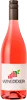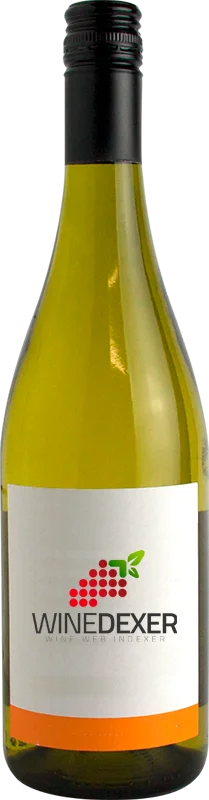
Winery Left Foot CharleyStumble
 White wine



This wine is a blend of 2 varietals which are the Gewurztraminer and the Riesling.
This wine generally goes well with pork, vegetarian or poultry.
Food and wine pairings with Stumble
Pairings that work perfectly with Stumble



Original food and wine pairings with Stumble



The Stumble of Winery Left Foot Charley matches generally quite well with dishes of pork, rich fish (salmon, tuna etc) or spicy food such as recipes of veal cutlets with savoy tomme, mackerel with quick mustard or monkfish armorican style.
Details and technical informations about Winery Left Foot Charley's Stumble.
Discover the grape variety: Gewurztraminer
Gewurztraminer rosé is a grape variety that originated in France. It produces a variety of grape specially used for wine making. It is rare to find this grape to eat on our tables. This variety of vine is characterized by small bunches and small grapes. Gewurztraminer rosé can be found in many vineyards: Alsace, Loire Valley, Languedoc & Roussillon, Jura, Champagne, Lorraine, Provence & Corsica, Rhone Valley, Savoie & Bugey, Beaujolais, South West.
Last vintages of this wine
The best vintages of Stumble from Winery Left Foot Charley are 0
Informations about the Winery Left Foot Charley
The Winery Left Foot Charley is one of of the world's great estates. It offers 27 wines for sale in the of Michigan to come and discover on site or to buy online.

The wine region of Michigan
Michigan is a state in the Midwestern United States, located between Great Lakes Huron and Michigan, along the northern border of the United States with Canada. Grape wine production in the state focuses on cool Climate vinifera varieties, while fruit wine production is also significant. The state is also known for its craft breweries and a growing spirits industry. Riesling has quickly become the most important noble grape, supported by varieties such as Pinot blanc, pinot grigio and Gewurztraminer.
The word of the wine: Tries (harvest by)
Harvesting in several successive passages to harvest at their optimal concentration the grapes affected by noble rot. They allow the production of great sweet wines.