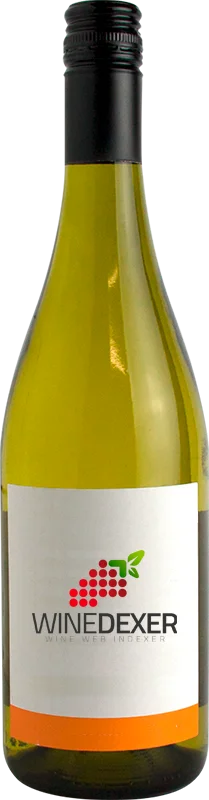
Château le PeyrailSainte-Foy Bordeaux Moelleux
 White wine
This wine generally goes well with pork, vegetarian or poultry.
Food and wine pairings with Sainte-Foy Bordeaux Moelleux
Pairings that work perfectly with Sainte-Foy Bordeaux Moelleux



Original food and wine pairings with Sainte-Foy Bordeaux Moelleux


The Sainte-Foy Bordeaux Moelleux of Château le Peyrail matches generally quite well with dishes of rich fish (salmon, tuna etc), shellfish or sweet desserts such as recipes of croque-monsieur with tuna, sublime fish and shrimp colombo or real chocolate cake.
Details and technical informations about Château le Peyrail's Sainte-Foy Bordeaux Moelleux.
Discover the grape variety: Verdanel
The Verdanel grape variety is particularly cultivated in the southwestern region of Gaillac, in the Tarn department. This very old white grape variety does not fear either the cold or the heat. Today, it is very rare and almost extinct. The Verdanel is not classified in the Appellations of Controlled Origin. The Verdanel has serrated leaves, almost whole and of a tender green colour. Its conical bunches are filled with medium-sized, slightly ellipsoid fruits. When the berries reach maturity, their greenish-white color turns to golden white. A dry white wine with a low alcohol content is produced from this variety. It also has a low acidity level. This wine goes well with spicy dishes as well as lobster or red mullet.
Informations about the Château le Peyrail
The Château le Peyrail is one of of the world's greatest estates. It offers 6 wines for sale in the of Bordeaux to come and discover on site or to buy online.

The wine region of Bordeaux
Bordeaux, in southwestern France, is one of the most famous, prestigious and prolific wine regions in the world. The majority of Bordeaux wines (nearly 90% of the production Volume) are the Dry, medium and Full-bodied red Bordeaux blends for which it is famous. The finest (and most expensive) are the wines of the great châteaux of Haut-Médoc and the right bank appellations of Saint-Émilion and Pomerol. The former focuses (at the highest level) on Cabernet Sauvignon, the latter on Merlot.
The word of the wine: Saignée (rosé de)
Rosé wine made from a vat of black grapes after a short maceration period.