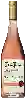
Winery Le PetitLe Petit Brosselin Touchez pas au grisbi
 Red wine



This wine generally goes well with beef, lamb or mature and hard cheese.

Food and wine pairings with Le Petit Brosselin Touchez pas au grisbi
Pairings that work perfectly with Le Petit Brosselin Touchez pas au grisbi



Original food and wine pairings with Le Petit Brosselin Touchez pas au grisbi

The Le Petit Brosselin Touchez pas au grisbi of Winery Le Petit matches generally quite well with dishes of beef, lamb or spicy food such as recipes of fondue vigneronne au vin rouge, lamb stew with yoghurt and coriander or couscous chicken and merguez.
Details and technical informations about Winery Le Petit's Le Petit Brosselin Touchez pas au grisbi.
Discover the grape variety: Aledo
Table grape with long bunches and juicy, crunchy golden berries, firm flesh and a neutral sweet flavour, prized for its exceptional shelf life. Late ripening. Grown mainly for end-of-year consumption (Christmas grape) in the Vinalopó (Alicante), it benefits from the IGP Uva de Mesa Embolsada del Vinalopó. Spanish white table grape variety, native to the Valencia and Alicante region.
Last vintages of this wine
The best vintages of Le Petit Brosselin Touchez pas au grisbi from Winery Le Petit are 2016
Informations about the Winery Le Petit
The Winery Le Petit is one of of the world's greatest estates. It offers 1 wines for sale in the of Vin de France to come and discover on site or to buy online.

The wine region of Vin de France
The freest category of French wine, the playground of winemakers working outside the AOC. All styles combined: fruity reds, lively or ambitious whites, everyday rosés, unusual blends, natural wines, atypical grapes (Petit Manseng in Languedoc, Riesling in Provence), experimental winemaking (skin-contact whites, no sulphur). Grape and vintage labelling allowed, no geographic constraint. From the pop, convivial cuvée to the artisan gem: freedom in a bottle.
The word of the wine: Mutage
The act of adding alcohol to a fresh grape must or to a fermenting must.