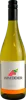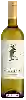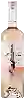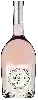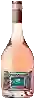
Winery Le ParisienGrenache Rosé
 Pink wine
In the mouth this pink wine is a with a nice freshness.
This wine generally goes well with vegetarian, appetizers and snacks or lean fish.
Taste structure of the Grenache Rosé from the Winery Le Parisien
Light | Bold | |
Dry | Sweet | |
Soft | Acidic |
In the mouth the Grenache Rosé of Winery Le Parisien in the region of Pays d'Oc is a with a nice freshness.
Food and wine pairings with Grenache Rosé
Pairings that work perfectly with Grenache Rosé



Original food and wine pairings with Grenache Rosé


The Grenache Rosé of Winery Le Parisien matches generally quite well with dishes of pasta, vegetarian or appetizers and snacks such as recipes of wok of chinese noodles with vegetables, quiche with leeks and fresh salmon from flo or pastels (senegalese stuffed fritters).
Details and technical informations about Winery Le Parisien's Grenache Rosé.
Discover the grape variety: Corvinone
It has been cultivated for a very long time in northern Italy, but in France it is hardly known. It should not be confused with corvina, another Italian grape variety that is very present in the same region, both of which are most often associated with rondinella and molinara.
Informations about the Winery Le Parisien
The Winery Le Parisien is one of of the world's greatest estates. It offers 9 wines for sale in the of Pays d'Oc to come and discover on site or to buy online.

The wine region of Pays d'Oc
Pays d'Oc is the PGI for red, white and rosé wines that are produced over a wide area of the southern coast of France. The PGI catchment area corresponds roughly to the Languedoc-roussillon">Languedoc-Roussillon wine region, one of the largest wine regions in France. The area covers all wines that are not produced under the strict laws that govern AOC-level appellations in the regions: among them, Corbières, Minervois and the Languedoc appellation itself. The Pays d'Oc PGI is arguably the most important in France, producing the majority of the country's PGI wines.
The word of the wine: Density per hectare
Number of vines per hectare. For the same yield, a vine planted with 3,000 vines per hectare bears many more bunches (per vine) than a vine planted with 10,000. The grapes will therefore be less rich in sugar and polyphenols (tannins, aromas...).