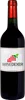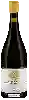
Le Clos des GrillonsÀ l'Ombre du Figuier
 Red wine


This wine generally goes well with beef and mature and hard cheese.

Food and wine pairings with À l'Ombre du Figuier
Pairings that work perfectly with À l'Ombre du Figuier


Original food and wine pairings with À l'Ombre du Figuier
The À l'Ombre du Figuier of Le Clos des Grillons matches generally quite well with dishes of beef or mature and hard cheese such as recipes of homemade italian lasagna or parsnip mousse in a glass jar.
Details and technical informations about Le Clos des Grillons's À l'Ombre du Figuier.
Discover the grape variety: Sémillon
Rich, structured whites with a golden robe, full palate and moderate acidity. Aromas of yellow fruits (peach, apricot), honey, white flowers, beeswax, brioche and white truffle with age. Exceptional aptitude for noble rot. Star of Sauternes AOC and Barsac AOC, pillar of dry whites in Graves and Pessac-Léognan AOC, and of long-lived dry whites in Hunter Valley (Australia). Native Bordeaux variety.
Last vintages of this wine
The best vintages of À l'Ombre du Figuier from Le Clos des Grillons are 2016, 2015
Informations about the Le Clos des Grillons
The Le Clos des Grillons is one of of the world's greatest estates. It offers 26 wines for sale in the of Rhone Valley to come and discover on site or to buy online.

The wine region of Rhone Valley
France's 2nd-largest AOC vineyard, two complementary worlds. Northern: pure Syrah in signature reds (Côte-Rôtie, Hermitage, Cornas), deep and peppery with blackberry, violet, black olive and smoked bacon notes, exceptional ageing. Opulent Viognier whites (Condrieu, apricot, flowers) and ample Marsanne-Roussanne. Southern: sun-soaked Grenache blends at Châteauneuf, Gigondas, Vacqueyras (candied fruit, garrigue).
The word of the wine: Reassembly
During the vinification process, a "cap" is formed at the top of the vats with the solid parts (skin, pulp, pips, etc.), which contain tannins and colouring elements. Pumping over consists of emptying the vat from the bottom and pouring the juice back to the top, in order to mix the cap and the juice and to favour the exchange and the extraction. This old technique allows a better exchange between the solid parts and the liquid.