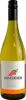
Winery Lava VineSauvignon Blanc
 White wine


In the mouth this white wine is a with a nice freshness.
This wine generally goes well with vegetarian, shellfish or goat cheese.
Taste structure of the Sauvignon Blanc from the Winery Lava Vine
Light | Bold | |
Dry | Sweet | |
Soft | Acidic |
In the mouth the Sauvignon Blanc of Winery Lava Vine in the region of California is a with a nice freshness.
Food and wine pairings with Sauvignon Blanc
Pairings that work perfectly with Sauvignon Blanc


Original food and wine pairings with Sauvignon Blanc
The Sauvignon Blanc of Winery Lava Vine matches generally quite well with dishes of shellfish, vegetarian or goat cheese such as recipes of monkfish in foil, summer tuna quiche or tomato and goat cheese quiche.
Details and technical informations about Winery Lava Vine's Sauvignon Blanc.
Discover the grape variety: Baga
Most certainly Portuguese.
Last vintages of this wine

The best vintages of Sauvignon Blanc from Winery Lava Vine are 0, 2015
Informations about the Winery Lava Vine
The Winery Lava Vine is one of of the world's great estates. It offers 43 wines for sale in the of Napa Valley to come and discover on site or to buy online.

The wine region of Napa Valley
The wine region of Napa Valley is located in the region of Napa County of California of United States. We currently count 2527 estates and châteaux in the of Napa Valley, producing 7716 different wines in conventional, organic and biodynamic agriculture. The wines of Napa Valley go well with generally quite well with dishes .
The wine region of California
California is the largest and most important wine region in the United States. It represents the southern two-thirds (850 miles or 1,370 kilometers) of the country's west coast. (Oregon and Washington make up the rest. ) The state also spans nearly 10 degrees of latitude.
The word of the wine: Chaptalization
The addition of sugar at the time of fermentation of the must, an ancient practice, but theorized by Jean-Antoine Chaptal at the dawn of the 19th century. The sugar is transformed into alcohol and allows the natural degree of the wine to be raised in a weak or cold year, or - more questionably - when the winegrower has a harvest that is too large to obtain good maturity.