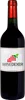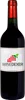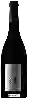
Winery LauxLes Secrets Rouge
 Red wine
This wine generally goes well with beef, veal or pasta.

Food and wine pairings with Les Secrets Rouge
Pairings that work perfectly with Les Secrets Rouge



Original food and wine pairings with Les Secrets Rouge
The Les Secrets Rouge of Winery Laux matches generally quite well with dishes of beef, pasta or veal such as recipes of braised beef with guinness, flammekueche with munster cheese or cocotte chicken roulades.
Details and technical informations about Winery Laux's Les Secrets Rouge.
Discover the grape variety: Servant
Table grape with elongated golden berries, thick skin and crunchy flesh; neutral and fresh taste with understated notes of white-fleshed fruits and fresh grape. Late-ripening with excellent winter storage. Grown for fresh consumption in the Mediterranean (Vaucluse, Var), prized for its excellent post-harvest keeping quality and historically served at year-end tables. Native French white table grape from the South-East.
Informations about the Winery Laux
The Winery Laux is one of of the world's greatest estates. It offers 9 wines for sale in the of Côtes de Thau to come and discover on site or to buy online.

The wine region of Côtes de Thau
Languedoc IGP northeast of the Thau lagoon (Hérault, 6 communes, 55,000 hl/year): Picpoul de Pinet and Terret Blanc as flagship whites (75%) — fresh attack, bright citrus and white flower aromatics, pale colour. Chardonnay, Muscat, Sauvignon Blanc and Vermentino as complements. Grenache, Syrah, Mourvèdre and Cinsault in reds and rosés. Lagoonal influence and sea spray, distinctive saline freshness.
The wine region of Pays d'Oc
The single-grape IGP par excellence: modern, accessible, frank and fruity wines, the popular signature of the Midi. Spicy Syrah reds (pepper, blackberry), round Merlot, structured Cabernet, generous Grenache, supple Cinsault. Crisp, tangy rosés. Opulent Chardonnay whites, lively Sauvignon, floral, apricoty Viognier.
The word of the wine: Solera
A method of maturing practiced in Andalusia for certain sherries, which aims to continuously blend older and younger wines. It consists of stacking several layers of barrels; those located at ground level (solera) contain the oldest wines, the youngest being stored in the barrels on the upper level. The wine to be bottled is taken from the barrels on the lower level, which is replaced by younger wine from the upper level, and so on.