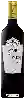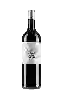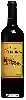
Château LapeyrereHaut Médoc
 Red wine
This wine generally goes well with poultry, beef or game (deer, venison).
The Haut Médoc of the Château Lapeyrere is in the top 5 of wines of Haut-Médoc.

Food and wine pairings with Haut Médoc
Pairings that work perfectly with Haut Médoc



Original food and wine pairings with Haut Médoc

The Haut Médoc of Château Lapeyrere matches generally quite well with dishes of beef, lamb or game (deer, venison) such as recipes of traditional flemish carbonades, daniel's algerian couscous or pheasant with mushrooms and tomatoes.
Details and technical informations about Château Lapeyrere's Haut Médoc.
Discover the grape variety: Grk blanc
Structured, aromatic dry whites with a pale golden colour, an ample palate and preserved acidity showing citrus (lemon, grapefruit), white flowers, characteristic bitter almond and insular mineral notes. Fine potential; sometimes macerated as Dalmatian orange wines. The understated star of Korčula island, a signature of central Dalmatia. Requires a polleniser in the vineyard due to female-only flowers.
Informations about the Château Lapeyrere
The Château Lapeyrere is one of of the world's greatest estates. It offers 4 wines for sale in the of Haut-Médoc to come and discover on site or to buy online.

The wine region of Haut-Médoc
Structured Bordeaux AOC upstream of the Gironde north of Bordeaux: signature Cabernet Sauvignon as king red on the gravel mounds — deep-coloured and tannic with notes of blackcurrant, blackberry, cedar, tobacco and a hint of spice, structured and age-worthy. Supple Merlot on clay soils adds roundness (plum, red fruits). Dense Petit Verdot and Cabernet Franc complete it. Evolving bouquet (roast, truffle, prune, leather).
The wine region of Bordeaux
World-renowned age-worthy reds, led by round Merlot (plum, black fruit) or firm Cabernet Sauvignon (blackcurrant, cedar, graphite), blended with Cabernet Franc and Petit Verdot for tannic structure. Structured Médoc and Graves, velvety Saint-Émilion and Pomerol. Also crisp dry whites (Sauvignon/Sémillon) and opulent sweet Sauternes with honey and candied fruit. A 110,000 ha Gironde vineyard, 65 appellations, cradle of the 1855 classified growths.
The word of the wine: Tertiary aromas
Aromas resulting from the aging of the wine in the bottle. The aromas evolve with time, from fresh fruitiness to notes of stewed, candied or dried fruit, to aromas of venison or undergrowth.